Then the data came back. Trial-to-paid had drifted from 18% to 9%. Forty-seven Figma files, four button styles, three primary blues, and a Storybook nobody updated.
Service UX/UI design · Tokens + Storybook + WCAG 2.2 AA · UK
UX/UI design for the SaaS that’s scaling. past first impressions.
UX/UI design for UK SaaS, fintech, and B2B teams — designed with psychology, built in Figma, shipped with engineers, and measured in Mixpanel. Premium UX and design systems your developers actually love.
47design systems shipped since 2019
34%median conversion lift
8-14week sprint
(Why CTOs sign with us)
You don’t need another design team. You need engineers who’ve shipped 47 design systems and watched what breaks at scale.
A design file isn’t a product. We design with psychology, build the system as tokens engineers love, and wire the funnel before launch so the conversion is measured, not hoped for.
0
<800ms
0
The CTO this page is for400 frames · 1.8% conversion · 47 Figma files
Eleanor’s SaaS had a Figma file with 400 frames. Conversion was 1.8%.
The CEO asked the obvious question: “Why does our redesign feel less like a product and more like an art project?” Nobody in the room had a clean answer.
We ran the UX audit, found six conversion leaks, rebuilt the design system as tokens engineers loved, and shipped the new flow in ten weeks. Conversion lifted to 2.4% on the same traffic. This page is for CTOs who recognise themselves in that paragraph.
UK UX + UI design studio · senior-only
Four things in-house teams and offshore shops can’t hand you.
Every one is a decision we make on day one of the engagement, then defend in CI for the life of the build.

Token-based design system
Tokens Studio. Single source of truth. Figma and code share variables, so theme switching costs hours, not weeks.

Conversion-tested before build
Maze + Hotjar + 5-user test rounds before engineering touches code. We change minds with data, not opinions.

WCAG 2.2 AA enforced
axe plus a manual audit. Procurement-defendable accessibility. Public-sector and corporate clients clear it.

Figma to code parity
What ships matches the spec. Pixel-level enforcement via Chromatic visual diff. Design and engineering stop blaming each other.
The UX pain. The day-1 answer.
Each one is a single architectural decision made on day one of our build.
- 01
“Designer ships Figma. Engineer rebuilds at 70% fidelity. Designer hates the result.”
Token-based system + Storybook handoff. Tokens Studio plus Storybook means one source of truth. Figma and code share variables. Handoff is a pull request, not a slide deck.
- 02
“Components live in a Figma file. No versioning. No docs.”
Versioned system + tokens-as-code. Tokens Studio exports JSON. Storybook documents every component. Versioned and semver-tagged. Theme switching costs hours.
- 03
“Procurement asks for WCAG 2.2 AA. We have no evidence.”
WCAG 2.2 AA from week one. axe and WAVE wired in CI. Manual audit plus a screen-reader test before launch. Procurement-defendable accessibility report at handover.
- 04
“Redesign shipped. Conversion didn’t move. Stakeholders ask why.”
Maze + 5-user rounds before build. The conversion hypothesis gets tested at the prototype, not at the launch. Real numbers, real users, before engineering touches code.
- 05
“Twelve dark-mode toggles, eight font weights, four green accents. Visual mess.”
Brand-token enforcement + audit trail. Tokens locked and linted. No off-token colours, weights, or radii. Visual audit on every PR. Brand consistency enforced in the pipeline.
- 06
“Stakeholders signed off the Figma. Engineering shipped something different.”
Figma + code parity via visual diff. Chromatic visual diff per PR. Engineering ships pixel-matched to Figma or the PR doesn’t merge. Stakeholder sign-off holds.
- 07
“Marketing site, app, dashboard all look like different companies.”
Cross-surface system + shared tokens. One token set across marketing, app, and dashboard. Storybook shared. Visual identity holds across surfaces. Engineer onboarding shrinks.
- 08
“We don’t know if the redesign worked. Nobody set up tracking.”
Mixpanel + Hotjar wired pre-launch. Funnel events wired before launch. Session recording on critical paths. Heatmap baseline captured. The redesign gets measured, not assumed.
Recent client · UK B2B SaaS · 2025
A dashboard redesign, in real numbers
Brief: redesign a 4-year-old B2B SaaS dashboard and ship a Tokens Studio plus Storybook design system. Twelve-week engagement, Maze-tested with 18 users before build.
+47%
Activation, post-redesign
+22%
Trial-to-paid uplift
“The Figma file dropped from 400 frames to 60. WCAG 2.2 AA cleared procurement at three enterprise prospects. We finally ship design and engineering in the same pull request.”
001
UX audit + six conversion leaks found
Hotjar and Mixpanel on the existing funnel surfaced where trial users dropped. Six leaks, ranked by revenue at risk, fixed at the prototype.
002
Tokens Studio + Storybook design system v1
One token set across the app. Every component documented, semver-tagged, visual-diffed on every PR. The 400-frame Figma collapsed to 60.
003
Maze-tested with 18 users before build
The new flow was validated on real users before a line of production code. The conversion lift was measured on the same traffic, not modelled.
004
WCAG 2.2 AA cleared three procurements
axe in CI plus a manual screen-reader audit produced an accessibility report that cleared vendor review at three enterprise prospects.
The stack we ship every design build on.
Design tooling first, the rest reached for when the brief calls for it. Tokens and Storybook do the heavy lifting on day one.
T1
What every design build runs on
design coreFigmaFigJamTokens StudioStorybookChromaticMazeHotjarMixpanelLottieFramer Motionaxe + WAVELinear + Loom
T2
When your design brief calls for it
reach when neededReact + Next.jsTypeScriptTailwindGraphQLtRPCPrisma / Drizzle
T3
The infrastructure layer
AWS-defaultAWSCloudFrontCloudflareAWS LambdaS3 + CloudFrontAWS RDS / AuroraRedisTerraformSentry + DatadogGitHub Actions
The receipts
Seven years of
Seven years of
UX/UI design, in numbers
Studio-wide aggregate across seven years. Token-based systems, Maze-tested flows, WCAG-cleared accessibility, conversion measured on real traffic, not modelled in a deck.
Track record
47
Design systems shipped
+34%
Median conversion lift
Reliability
99.95%
Average uptime SLO held
0
Peak-load outages in 2025
Speed
<800ms
Median LCP p75
8-14wk
Typical sprint length
Three ways to start. Pricing in the email back.
Pick the shape that fits and Mohit will send your real number inside 24 hours.
UX + UI audit week
5 days, £8K fixed. We audit your existing app or a new brief: UX, system, accessibility, conversion leaks.
- 5-day senior audit
- Conversion-leak map + ADRs
- Signed scope, line-item GBP
- No commitment to build
Full design build sprint
8 to 14 weeks of fixed-scope shipping. Tokens Studio system, Storybook, Maze-tested, WCAG 2.2 AA, pixel parity in CI.
- Tokens Studio + Storybook + Chromatic
- Two senior designers + one engineer
- 30-day walk-away both ways
- IP assigns on every commit
Design system rebuild
8 to 12 weeks. Take your existing design system and rebuild it for production. Behind-flag cutover, targets locked in scope.
- Audit current Figma + system
- Token migration + parity
- Component-by-component cutover
- WCAG + conversion targets locked
“Activation up 47%. Trial-to-paid up 22%. WCAG 2.2 AA cleared three enterprise procurements. The Figma dropped to 60 frames.”
— Eleanor B., CTO, UK B2B SaaSWhat CTOs actually ask before signing
Pain-first, soft-second.
We default to the patterns production has settled on: a token-based design system, Storybook with visual diff in CI, WCAG 2.2 AA enforced from week one, and the conversion funnel wired before launch. UX/UI design that holds at scale isn’t a Figma file, it’s a system engineers can build against. If you have a strong reason to deviate, we’ll discuss it in the audit week.
Yes. We’ve done it for UK clients in 2025. Your existing backend (Rails, Django, .NET, Java, Go) stays. We build the UX/UI layer with typed contracts and a token-based design system on top. You get senior-grade UX and UI without rebuilding your backend.
Yes. axe and WAVE run in CI on every PR, and we add a manual screen-reader audit before launch. At handover you get a procurement-defendable accessibility report. On the last B2B SaaS build, that report cleared vendor security review at three enterprise prospects without a second pass.
30-day walk-away both ways. Milestone billing 25/25/25/25. UK VAT registered, listed on Companies House, shipping since 2019. You’re never more than four weeks at risk of paying for nothing.
Every project has two senior designers paired, not one, with an engineer alongside. Every decision goes into an ADR the same day. Mohit reviews every PR. In seven years, two people have left mid-project. Both handovers were inside 48 hours, neither client noticed.
A 5-day audit is £8K fixed and tells you exactly what the build needs. Full design build sprints land in a £35-75K band depending on surface count and system scope. You see a line-item GBP scope before you commit, and the audit fee comes off the build if you proceed.
Yes, with 14 days’ notice. Designers move to other projects. Spend pauses. Resume with 14 days’ notice. No cancellation fee. No restart fee.
Yes, with mutual agreement. You keep everything, the Figma, the Storybook, the tokens, and IP assigns on every commit. Several of our people have moved in-house to client teams. The contract has a clean intro fee built to make that transition friction-free, not punitive.
NDA signed inside 30 minutes via DocuSign. Mutual NDA template ready to go. Share the brief the moment it’s back.
In context
Inside the work.
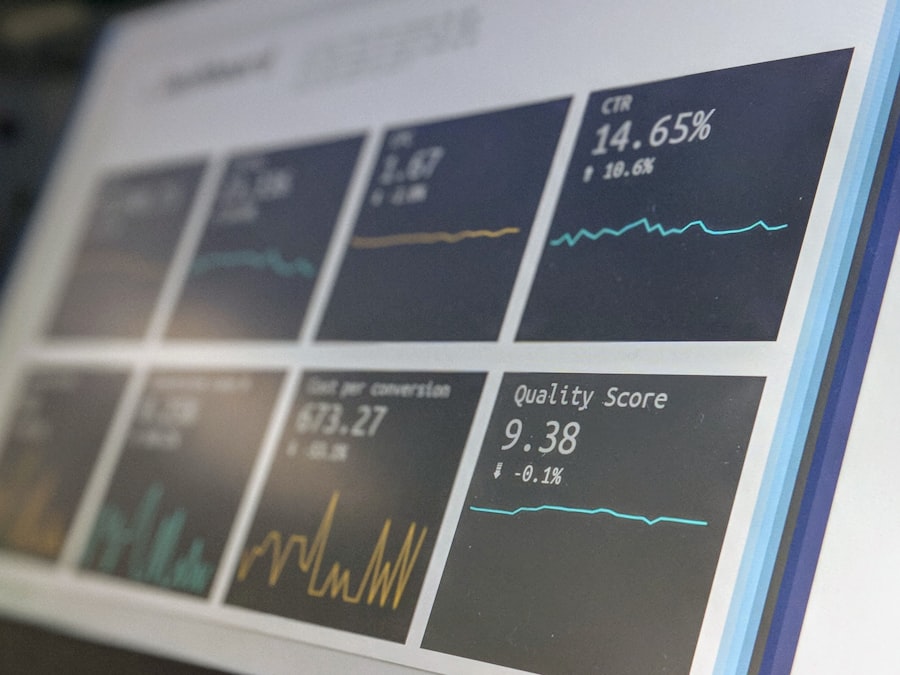
A look at the kind of ux ui design surface we hand over — real screens, real data, documented and yours from day one.
Send a 5-line brief. That’s it.
Tell us what the product does, who uses it, and what success looks like for you. Mohit replies inside 24 hours: a clear yes, a clear no, or the one question that decides it.
What happens after the email lands
- < 24h
A personal reply.
Yes, no, or the deciding question. Straight to your inbox.
- Week 1
Audit week begins.
UX audit, conversion-leak map, accessibility plan, signed scope.
- Launch
Conversion that compounds.
Maze-tested, WCAG-cleared, the funnel measured from day one.