P99 climbed from 180ms to 4.3s. A single sync JSON.parse on a 12MB payload froze the event loop. Three thousand customers timed out at once. PM2 restarted the process, and the next request brought everything down again.
Service Node.js development · Express + Fastify + Prisma · UK
Node.js development for the API that survives the spike. on Tuesday.
Node.js + Express + Fastify backends with TypeScript, Prisma, and AWS for UK SaaS, fintech, and B2B teams. Production-grade from day one: idempotent writes, load-tested capacity, observability built in, hire-ready forever.
92Node.js backends since 2019
250msP95 server latency
99.95%uptime SLO held
(Why CTOs sign with us for Node.js)
You don’t need another Node.js team. You need engineers who’ve shipped 92 backends and watched what breaks at scale.
Senior Node is harder to hire than senior React. We build the backend that holds the spike, and the next engineer you hire opens the repo and stays.
0
<250ms
0
The CTO this page is forP99 180ms 4.3s · 3,000 timeouts
Marcus’s fintech API ran fine at 200 concurrent. Then the spike came on a Tuesday.
The CEO asked the obvious question. “Why is the new Node app crashing harder than the old PHP one?” The answer wasn’t the language. It was a backend built for the demo, not for the Tuesday a real campaign landed.
We rebuilt the hot path with idempotent writes, queued the Stripe calls, load-tested to 5× peak, and shipped in seven weeks. Year-two peak: 7,400 concurrent. Zero dropped transactions. P95 280ms. This page is for CTOs who recognise themselves in that paragraph.
The stack we ship every Node.js build on.
Boring on purpose, hireable forever. Express and Fastify handle 99% of the behaviour we need on day one, and your next senior engineer interviews fluent in all of it.
T1
What every Node.js build runs on
coreNode.js 22 LTSExpress + FastifyTypeScriptZod / JoiPrisma + DrizzleBullMQ + RedisPostgreSQL + MongoDBOpenAPI + PactVitest + SupertestSentryDatadog APMMixpanel
T2
When your Node.js brief calls for it
reach when neededPythonJavaGoGraphQLtRPCgRPC
T3
The infrastructure layer
AWS-defaultAWSCloudFrontAWS LambdaS3 + CloudFrontAWS RDS / AuroraMongoDB AtlasRedisApache KafkaInngest / Trigger.devTerraformDatadog + SentryGitHub Actions
Node.js development · senior-only studio
Six things in-house teams and offshore shops can’t hand you
Every Node.js + Express build ships with these by default. Not bolted on later, not negotiated for.
Event-loop discipline
Sync JSON parse, sync file IO, unhandled rejections caught at the linter. P99 under 250ms measured under k6 5× load.
Idempotency everywhere
Every write carries an idempotency key. Stripe webhooks, Slack events, CSV imports. Replay-safe by design.
Queue-first architecture
BullMQ + AWS SQS. Long jobs out of the request thread. DLQ, audit log, and retry strategy documented.
OpenAPI + typed contracts
The OpenAPI spec is the source of truth. SDK generated. Pact contract tests catch breaking changes at the PR.
Senior-only, no juniors
The four engineers who sign your scope are the four who ship. Senior Node is hard to hire. We solve that for you.
30-day walk-away both ways
You keep everything. IP assigns on every commit. No lock-in, no deposit forfeiture, no clever stack nobody can hire for.
The day-1 Node.js build sequence
Every decision that holds the spike, made before we write a line.
Six architectural calls we lock in on day one. Each one is the difference between a backend built for the demo and one built for the Tuesday a real campaign lands.
Step-01
Event-loop discipline
Streaming JSON and worker_threads for CPU work. ESLint catches sync IO. The request thread never blocks, P99 under 250ms.
Step-02
Idempotency everywhere
A key on every write, a dedupe table at the edge. Stripe, Slack, and GitHub webhooks all replay-safe by design.
Step-03
Queue-first architecture
BullMQ plus AWS SQS. Long jobs out of the request thread. DLQ, audit log, and retry strategy documented day one.
Step-04
Typed contracts
The OpenAPI spec is the source of truth. SDK generated. Pact contract tests catch breaking changes at the PR.
Step-05
Observability built in
Datadog APM, trace IDs propagated everywhere, structured logs queryable. On-call reads the trace in 60 seconds.
Step-06
Load-tested to 5× peak
k6 storm-tests the hot path before launch. The capacity number lands in the runbook, not the post-mortem.
Recent client · UK B2B SaaS · 2025
Express + JS to Node 22 + Fastify,
Express + JS to Node 22 + Fastify,
in real numbers
We rebuilt a five-year-old Express + JS API on Node 22 + TypeScript + Fastify, with a BullMQ queue, Datadog APM, and OpenAPI contracts. Fourteen-week sprint, 1,800 customers, zero customer-facing downtime.
The rebuild
14 wk
Express + JS Node 22 + TS
0
Customer-facing downtime
Latency + cost
1.4s180ms
P99, after rebuild
−38%
AWS bill cut
Track record
92
Node.js backends since 2019
99.95%
Uptime SLO held
Node.js development · what we ship
Five Node.js engagements we run end to end
Pick the shape that fits the brief. Each one ships with the day-1 architecture, typed contracts, and observability built in.
Build sprint(01)
Full Node.js build sprint
Eight to fourteen weeks of fixed-scope shipping. Node 22 plus TypeScript, Fastify, Prisma, and BullMQ. Typed end to end, observable, load-tested before launch.
Node 22 + TSFastify + PrismaBullMQ queueDatadog APM
Full Node.js build sprint
Migration(02)
Node.js migration and rebuild
Take an existing Express plus JavaScript codebase and rebuild it for production on Node 22 plus TypeScript. Behind-flag cutover. Performance and cost targets locked into scope.
Express + JS TSBehind-flag cutoverP99 targetsAWS bill cut
Node.js migration and rebuild
Audit(03)
Node.js audit week
5 days, £8K fixed. We audit your existing app or a new brief across architecture, performance, scale, and the hire path. Signed scope with line-item GBP, no commitment to build.
5-day senior auditRender-boundary mapADRsLine-item GBP
Node.js audit week
Architecture(04)
Queue and worker architecture
Long jobs out of the request thread. BullMQ workers in a separate process, idempotent jobs, a dead-letter queue, and a Bull-Board UI for visibility. The API stays responsive, the cron stays reliable.
BullMQ + SQSDLQIdempotent jobsRetry strategy
Queue and worker architecture
Observability(05)
Observability and on-call setup
Datadog APM, trace IDs propagated everywhere, and structured logs that are queryable. On-call reads the trace and knows what happened in 60 seconds instead of stretching the stand-up.
Datadog APMTrace IDsStructured logsSentry alerts
Observability and on-call setup
Three ways to start. Pricing in the email back.
Pick the shape that fits and Mohit will send your real number inside 24 hours.
Node.js audit week
5 days, £8K fixed. We audit your existing app or a new brief. Architecture, perf, scale, hire path.
- 5-day senior audit
- Render-boundary map + ADRs
- Signed scope, line-item GBP
- No commitment to build
Full Node.js build sprint
8 to 14 weeks of fixed-scope shipping. Node 22 + TS + Fastify + Prisma + BullMQ + Datadog. Typed end to end, observable, load-tested.
- Node 22 + TS + Fastify + Prisma
- Two senior engineers paired
- 30-day walk-away both ways
- IP assigns on every commit
Node.js migration / rebuild
8 to 12 weeks. Take your existing Node codebase and rebuild it for production. Behind-flag cutover. Performance and cost targets locked in scope.
- Express + JS Node + TS
- BullMQ queue + DLQ
- OpenAPI contracts + SDK
- P99 + cost targets locked
“P99 dropped from 1.4s to 180ms. The bill cut a third. Best engagement we’ve paid for.”
— Eleanor B., CTO, UK B2B SaaSWhat CTOs actually ask before signing
Pain-first, soft-second.
We default to the patterns the Node.js community has settled on for production: typed end to end, observability from day one, idempotent writes, eval-gated CI. Express and Fastify for HTTP, Prisma for data, BullMQ for queues, Zod for validation. If you have a strong reason to deviate, we’ll discuss it in the audit week. The honest default is the boring, hireable stack.
Stay where you are if it’s working. We’ll tune the costs. Move to AWS only when the bill or compliance warrants it. AWS is our default for Node.js development because it’s fast to ship and most teams don’t need a custom cloud. We’re comfortable on GCP, Azure, Cloudflare, DigitalOcean, Vercel, and Fly.io.
Yes. We’ve done it for UK clients in 2025. Your existing backend (Rails, Django, .NET, Java, Go) stays in place. We build the Node layer with typed contracts against it. The output is senior-grade Node.js without rebuilding the backend you already trust.
30-day walk-away both ways. Milestone billing 25/25/25/25. UK VAT registered, listed on Companies House, shipping since 2019. You’re never more than four weeks at risk of paying for nothing.
Every Node.js project has two senior engineers paired, not one. Every decision goes into an ADR the same day. Mohit reviews every PR. If one engineer leaves, the other has full context the next morning. Two handovers in seven years, both inside 48 hours, neither client noticed.
No, and that’s the point of the stack we pick. Express + Fastify + Prisma + TypeScript is the standard senior Node skill set. London has thousands of Node engineers. Your next hire interviews fluent on day one instead of facing a six-month ramp on a clever stack only the original author understood.
Yes, with 14 days’ notice. Engineers move to other projects. Spend pauses. Resume with 14 days’ notice. No cancellation fee, no restart fee.
Yes, with mutual agreement. Several of our engineers have moved in-house over the years. The contract has a clean intro fee built to make the transition friction-free, not punitive. We’d rather you have a great in-house team than be locked into us forever.
NDA signed inside 30 minutes via DocuSign. Mutual NDA template ready to go. Share the brief once it’s signed and Mohit replies inside 24 hours.
In context
Inside the work.
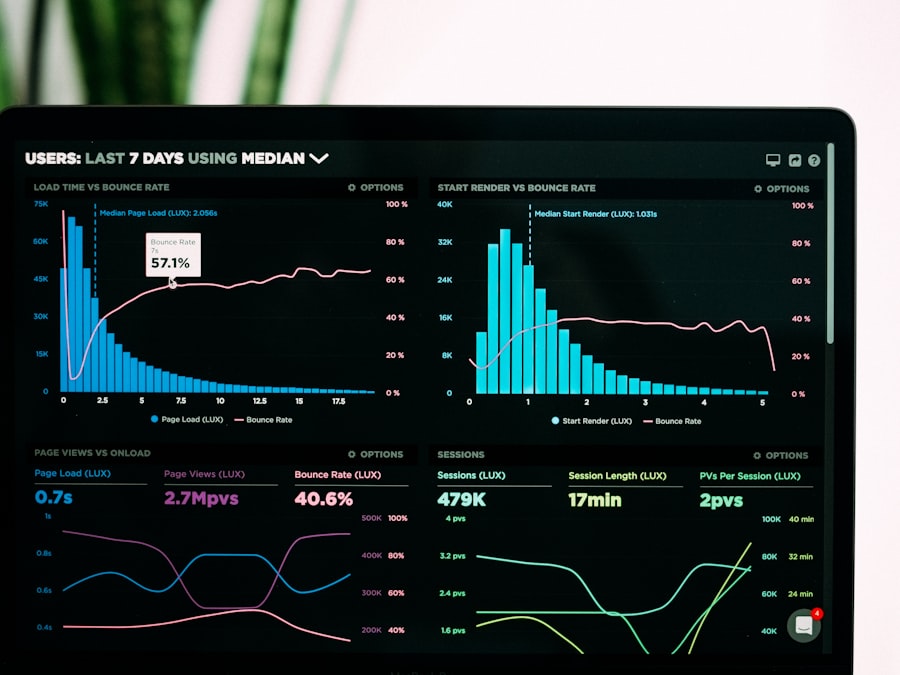
A look at the kind of nodejs development surface we hand over — real screens, real data, documented and yours from day one.
One paragraph. That’s it.
Tell us what the build needs to do, who uses it, and the worst Tuesday you can imagine. Mohit replies inside 24 hours: a clear yes, a clear no, or the one question that decides it.
What happens after the email lands
- < 24h
A personal reply.
Yes, no, or the deciding question. Straight to your inbox.
- Week 1
Audit week begins.
Architecture, capacity target, queue strategy, observability plan, signed scope.
- Launch
Holds on Tuesday.
Idempotent, queued, typed. Load-tested to 5× peak with the capacity number in the runbook.