The first shop billed by the day and grew a team of six she never met. The second promised “staff augmentation” and rotated three juniors through her project. When her board asked for an architecture diagram, nobody had one. No fixed scope, no senior on the hook, no answer.
Service Custom software development · UK senior-only studio
Custom software development for a fixed. quote, not a day rate.
For UK SaaS, scale-ups, and regulated teams that need senior engineers and a number they can hold you to. A £8K 5-day audit, a 30-page brief with six ADRs, then a fixed quote. The four engineers who sign your scope are the four who ship it.
200+custom engagements since 2019
96%engineer retention
0data breaches in 7 years
(Why UK product teams sign with us for custom software)
Senior-only, fixed-price, audit before a line of code.
The studio model your last engineering hire wishes they’d called first. Two seniors paired daily, no juniors on production code, and an architecture written on day five before anything ships.
0+
0%
0
The founder this is for2 vendors · 7 months · no shippable code
7 months, 2 vendors. Neither could tell her who owned the code.
She runs a UK logistics platform, regulated, with real customers depending on uptime. We ran the £8K 5-day audit, handed her a 30-page brief with six ADRs, and quoted the sprint at audit end. The same four seniors who signed the scope wrote every commit. One number, held to the day.
Fourteen weeks later the platform was multi-tenant, audited, and observable. Her code lived in her GitHub org from commit one, IP assigned on commit. This page is for founders who recognise themselves in that first paragraph.
Process
Audit first, then a fixed quote
Custom software development the way your last engineering hire wishes you’d run it. Five steps, the same four seniors all the way through, an architecture written before any code ships.
Step-01
5-day audit
We strip the brief, pick the stack, and write the architecture. Fixed at £8K, no commitment to build.
Step-02
Brief + six ADRs
A 30-page brief with six architecture decision records. Every meaningful call recorded for your next CTO.
Step-03
A fixed quote
One number for the build, line-itemed by scope. No day rate, no headcount creep, no surprise invoice.
Step-04
Senior-only sprint
The four engineers who signed your scope write every commit. Two seniors paired daily, no juniors.
Step-05
Clean handover
IP assigns on commit, the repo is yours, and the handover pack briefs your next hire. Walk away in 30 days.
Six shapes.
Every one with a dedicated page.
Custom software development isn’t one thing. It’s the right shape for where you are. We ship these six most weeks, and each has its own deep-dive if you want the detail. Open any row.
A 6-week sprint with your first paying customer by week five. Audit week one, build weeks two to five, handover week six. See the MVP page.
Multi-tenant from day one, with the row-level security and audit log your acquirer’s diligence team walks through without flinching. See the SaaS page.
Flutter or React Native, built to pass App Store review on the first pass, tuned to perform on an iPhone SE. See the mobile page.
Black-Friday-grade load handling and real observability, edge-rendered on Next.js with Sentry and PostHog wired before launch. See the web page.
Stripe-grade discipline, with an OpenAPI spec and generated SDKs in three languages so your integrators ship in an afternoon. See the API page.
Eval-gated CI, idempotent tools, and an AI off-switch, so you still have a product the day the model misbehaves. See the AI product page.
The pain. The day-1 answer.
Every team that emails us about custom software development is fighting one of these eight things. Each one is impossible to fix cheaply once the codebase is live. Each one is a single decision made on day one of our build.
- 01
“The last shop billed by the day, the team kept growing, and the bill never stopped.”
A fixed quote at audit end. The £8K 5-day audit ends with a line-itemed scope and one number for the build. No day rate, no staff-aug, no quiet headcount creep.
- 02
“We met two seniors in the pitch, then three juniors built the thing.”
The four who sign are the four who ship. Two seniors paired daily, no juniors on production code, ever. The engineers named on your scope write every commit.
- 03
“Our board asked for an architecture diagram and nobody had one.”
A 30-page brief with six ADRs. The architecture is written on day five before any code ships. Every meaningful call is recorded so your next CTO inherits the system, not a mystery.
- 04
“The last build was in PHP and we can’t hire anyone to maintain it.”
MERN + AWS, the biggest hiring pool in 2026. MongoDB, Express, React + Next.js, Node.js on AWS. Python and FastAPI when data or ML is the floor. Your next hire is fluent on day one.
- 05
“Our last vendor took the deposit and went quiet. How is this different?”
Milestone billing + 30-day walk-away. 25% on signed scope, 25% staging up, 25% production live, 25% handover. You’re never more than a quarter ahead of working software, and you can walk away both ways.
- 06
“Our acquirer’s CTO flagged the database and the offer is on hold.”
Built to survive Series B diligence. Multi-tenant data model, append-only audit log, ADRs. Twelve Series A founders we built with raised Series B. Two clients reached IPO on code we wrote.
- 07
“An enterprise prospect sent a 60-page security questionnaire and we froze.”
SOC 2, signed DPA, DSAR runbook. SOC 2 Type II achieved at Empyreal in December 2025. A Vanta or Drata evidence pipeline is wired from day one, with UK and EU GDPR-aware DPA and SCCs ready.
- 08
“We don’t want to be hostage to one studio forever.”
You keep everything, walk away in 30 days. IP assigns on commit, the repo is yours from day one, and the handover pack briefs your next hire. Two handovers in seven years, both inside 48 hours.
Custom software development stack · MERN + AWS
Three tiers, twenty-two technologies, one defensible spine
Two hundred custom software engagements have stress-tested these picks. Tier 1 runs every build, Tier 2 is what we reach for when the brief needs it, Tier 3 scales it to Series B without a rebuild.
200+
Engagements since 2019
0
Data breaches in 7 years
“The same four engineers who signed our scope wrote every commit. After two vendors who couldn’t, that was the whole difference.”
T1
What we build every product on
MongoDB, Express.js, React + Next.js, Node.js, TypeScript, Flutter, PostgreSQL, Stripe, Clerk / Auth.js, Mixpanel, Tailwind, Playwright. MERN + Flutter is the spine of every build.
T2
When your brief actually calls for it
Python and FastAPI when data or ML is the floor. Java, React Native, Swift / SwiftUI, and Kotlin when the platform demands native depth.
T3
The infrastructure that scales it
AWS, Kubernetes (EKS), Docker, AWS Lambda, RDS / Aurora, S3 + CloudFront, Redis, Apache Kafka, GraphQL, Terraform, Datadog + Sentry, microservices. Scales to Series B without a rebuild.
004
Deploy where your team already is
AWS by default. Also shipped on GCP, Microsoft Azure, Cloudflare, DigitalOcean, Vercel, and Fly.io. We meet your team on the cloud they already run.
Diligence-ready
The receipts that survive
The receipts that survive
Series B diligence. Numbers, not adjectives
What your CFO, your VC, and your acquirer ask about, answered in figures. Seven years, two hundred engagements, and the kind of track record that ends a diligence call early.
In production
£540M+
GMV through code we shipped
320M+
API calls a year, 2025
The track record
12
Series A founders reached Series B
2
Clients reached IPO, 3 M&A exits
Trust + tenure
0
Customer-data breaches in 7 years
28 mo
Median client tenure on retainer
Founders who’d been burned, then weren’t
What teams say after the third bad vendor, then the build that finally shipped.
100%
would refer us
The same four engineers who signed our scope wrote every commit. After two vendors who couldn’t, that was the whole difference.
What teams actually ask before signing the contract
Pain-first, soft-second. The questions every founder and CTO asks after their third bad vendor experience.
We don’t price by salesperson mood. The audit week is fixed at £8K. After that, every custom software development project is line-itemed into the scope document: architecture, core flows, integrations, admin tooling, observability, handover pack. You see the cost of each piece, and you can cut any piece. Most builds we sign land between £35K and £95K on a fixed-price sprint. If we can’t hit your budget, we tell you in week one and you walk away with the audit brief, no commitment.
The four engineers on your project are named on the page and in every Slack channel you join. The audit week is run by those same four, not a bench team you never meet. No juniors touch production code, ever, and we pair two seniors daily so context is never trapped in one head. If you ask, we’ll send their commit history on a recent project before you sign. No bench, no bait-and-switch.
Three things make this hard to fake. First, the 30-day walk-away clause goes both ways and refunds the unused portion. Second, payments are milestoned: 25% on signed scope, 25% on staging up, 25% on production live, 25% on handover. You never pay more than 25% ahead of working software. Third, we’ve been shipping since 2019 with 200+ engagements under our name, listed on Companies House with UK VAT registered. You can check us before you sign.
This is the single biggest risk with a small studio, and the reason we run our process the way we do. Every project has two senior engineers paired, not one. Every decision is written into an ADR the same day. Every commit goes through Mohit’s review. If one engineer leaves, the other has full context the next morning. In seven years, two engineers have left mid-project. Both handovers were inside 48 hours. Neither client noticed in their sprint.
We ship custom software development on the MERN stack (MongoDB, Express, React + Next.js, Node.js) with AWS for infra, and Python with FastAPI when data or ML is the floor. As of 2026 that’s the biggest hiring pool in the UK and globally. London alone has 14,000+ Node engineers on LinkedIn. Any senior full-stack developer your future CTO interviews will be fluent in your stack on day one. Boring on purpose, hireable on purpose.
Yes, and we ship the pack that answers it. Empyreal achieved SOC 2 Type II in December 2025. For your build we wire a Vanta or Drata evidence pipeline from day one, ship a UK and EU GDPR-aware DPA with SCCs for cross-border, a DSAR runbook with a 30-day response, and a procurement security pack with SIG-Lite and CAIQ pre-filled, a pen-test summary, an architecture diagram, and a DR plan. The questionnaire stops being a panic.
It’s built for exactly that. The architecture brief plus the ADRs we ship are the documents the diligence team asks for. Twelve Series A founders we built with went on to raise Series B, two clients reached IPO on code we wrote, and there have been three M&A exits. Across seven years and 200+ engagements there have been zero customer-data breaches in production. Numbers, not adjectives, are what survive a diligence call.
You walk away cleanly. IP assigns on commit, your code lives in your GitHub org from day one, and the handover pack includes the architecture brief, ADRs, runbook, on-call playbook, DPA, and a video tour for your next engineer. We offer an optional £5K/month advisory retainer if you want a senior voice on your weekly calls. It’s cancellable with 30 days’ notice, any month. Most clients run it six to nine months while their in-house lead settles in, then end it without ceremony. No lock-in.
In context
The surface you hand over.
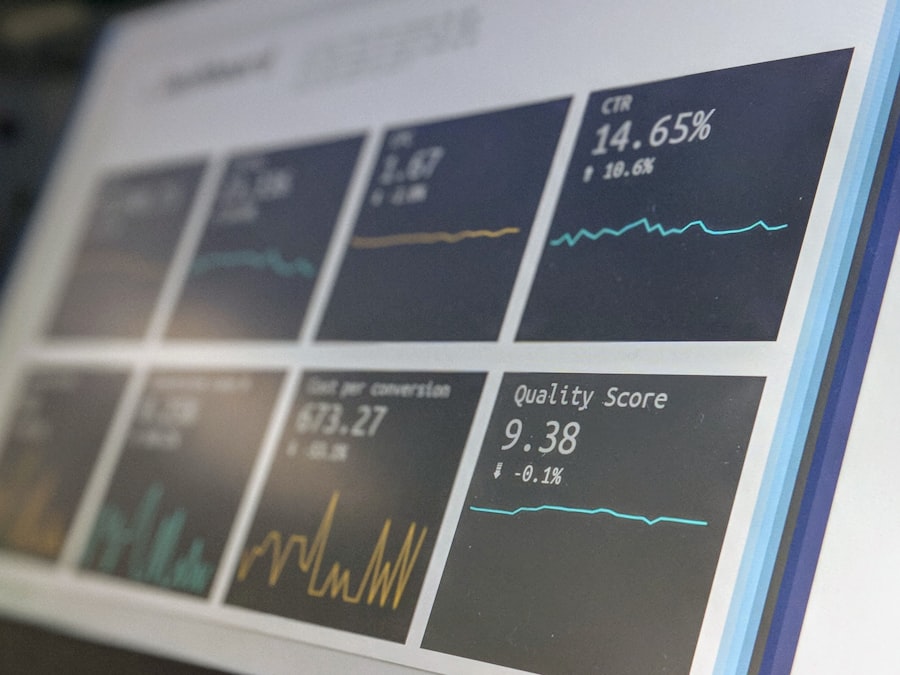
custom software development, in context — the dashboards, flows and components your team actually ships, reviews and maintains.
One paragraph. That’s it.
Tell us what you’re building, your deadline, your target customer, and your regulatory environment. Mohit reads every first email and replies inside 24 hours: a clear yes, a clear no, or the one question that decides it, plus the next 5-day audit slot.
What happens after the email lands
- < 24h
A personal reply.
Yes, no, or the deciding question. Straight to your inbox, not a team thread.
- Day 5
Audit, brief, fixed quote.
A 30-page brief with six ADRs, a signed scope, and one number for the build.
- Handover
The repo is yours.
Diligence-ready, observable, with IP assigned on commit and a pack for your next hire.