The first email
You send one paragraph. What you’re trying to ship, and the constraint you can’t get past. Mohit replies inside 24 hours: a clear yes, a clear no, or the one question that decides it.
5 days to the diagram, the trade-offs, and the call. 6 weeks to a live MVP.
Senior engineers only. Mohit reviews every meaningful PR.
No discovery decks. No open-ended retainers. Every engagement runs on the same path. Same milestones, same deliverables, same person on the call. Here’s what each week looks like.
You send one paragraph. What you’re trying to ship, and the constraint you can’t get past. Mohit replies inside 24 hours: a clear yes, a clear no, or the one question that decides it.
5 working days. We read what exists, talk to your team, draw the system, write down the trade-offs. The work happens on paper before any code is touched.
Senior engineers ship into your repo, your stack, your sprint cadence. Weekly demos. Mohit reviews every architectural call. No surprises, no scope drift, no juniors.
We hand off a system your team can maintain. Documented, monitored, defensible at Series A diligence. Monthly advisory keeps the architecture honest as you scale.
Most shops pick a stack first, then bend the architecture to fit it. We work the other way around. Diagram first. Trade-offs written down. The call made out loud, in front of the founder, before a line of code is touched.
The bugs you pay to fix in year two are downstream of the call you made in week one. The only way to ship faster long-term is to make that call better, not skip it.
We turn down about a third of the projects that reach us. The two-thirds we say yes to become the systems we’re willing to put our name on when the investors come back to read the code.
Each row is a class of problem we get hired to fix. The architecture call underneath every one is the same. Click any row to open it.
LangChain, OpenAI, Anthropic Claude in production. Domain RAG, multi-agent orchestration, tool-use that doesn’t hallucinate in front of customers. The pattern matters more than the model.
SaaS, MVPs, mobile. Architecture call first. Sprint plan second. Code third. 6 to 12 weeks for an MVP that survives Series A diligence.
We rescue about 30 AI-codegen builds a year. 3 failure modes show up in 80% of them: database schema, auth, payments. We audit what shipped, refactor what’s salvageable, rewrite what isn’t.
Engineers who read Figma the way the designer intended, and tell you which decisions in it will fight the architecture 3 months in. The interface a senior buyer takes seriously.
The decisions that decide whether the platform stays alive when traffic doubles overnight. Postgres or Mongo. Monolith or microservices. Vercel or AWS. We make the calls with the trade-off written down so the answer survives the team that inherits the code.
We aren’t the cheapest engineering consultancy and we aren’t trying to be. Here’s what the rate buys you, written plain.
5 days of audit work. Diagram on paper, trade-offs written down, decision made out loud. All before a single line ships.
Not a sales bot. Not a project manager. The founder. Under 24 hours, every time.
Seven years average on production systems. No juniors learning on your build. Founder code review on every project.
If the project doesn’t need to be built, we tell you on the first call. If the architecture call you’ve made is going to age badly, we tell you. The fee for the honesty is zero.
— first-call policy, unchanged since 2019Architecture calls happen in London hours with Mohit. Build velocity comes from a senior India team that ships overnight. 12 productive hours, not 8.
Every Friday you click the thing we built that week. Status reports replaced by working software. No theatre, just progress you can touch.
Documentation your team can read. Architecture diagram from day one. The why behind every call. No black-box. No lock-in.
Every project starts the same way. The diagram on paper. The trade-offs written down. The decision made out loud, before any meaningful code ships. What changes is what we build after that.
We don’t write a line of code in week one. That’s deliberate. The first 5 days go to paper. Reading what exists, drawing the system as it is, writing the trade-offs down in language the founder will recognise.
You walk away with architecture diagram, risk register, and a 90-day plan you can take anywhere.
One call. We tell you what we’d build first, what we’d push back on, and what we wouldn’t build at all. Then we lock the scope, the milestones, and the definition of done.
You walk away with a clear yes, a clear no, or the deciding question, agreed out loud.
Senior engineers ship into your repo, your stack, your sprint cadence. Mohit reviews every meaningful PR. Weekly demos replace status reports. Every Friday, something you can click.
You walk away with a live system, code review on every architectural call, and working software in your hands every week.
We walk your team through the architecture line by line. Documentation is the kind a developer joining six months later can read once and understand. We stay on call for the first month, free.
You walk away with a system your team owns. No black-box, no lock-in, no surprise invoices.
We’re not the cheapest. We’re not the loudest. The numbers below are the ones we earned by staying in the room when other shops handed the project back.
Two engagement shapes. One bar of work. Whether you sell to your own clients or you raised money to ship a product, the architecture call we make in week one doesn’t change. What changes is whose name goes on it.
“You sell to your clients. We’re the senior engineering pod that delivers the work under your name. Quiet, on-brand, on-deadline.”
“You raised money to ship a product. We’re the architecture team you’d hire full-time, if you could.”
We pick the right tool for your latency, your cost ceiling, and the compliance regime your auditor reads. Never the one with the partnership badge on our website. Below is the diagram we draw on day one, layer by layer.
Six months after the system goes live, we run a debrief. These are the lines that came back. Real teams, real numbers, attributed by role and engagement window.
Route optimisation cut costs 22%. We went from reactive to predictive operations in six months. The audit they delivered in week one is the document we still reference in board meetings.
Handing over a codebase to a stranger is a real ask. So we make it small and safe. NDA on the table from day one: your template or ours, signed inside the hour. Read-only access scoped to the repos you choose, revocable any time. If the read doesn’t earn its place, walk away.
Read-only GitHub access, scoped to the repos you pick. Revoke whenever: no escalations, no awkward email chain. Prefer not to connect a repo at all? A zipped snapshot on a private link works just as well.
One pair of senior eyes on your system. The founder you’d talk to if you ever picked up the phone is the same person writing the note. No analyst chain, no offshore handoff, no template-stuffing.
The 3 brittle decisions we’d address first. The 2 trade-offs worth the rebuild. The 1 thing to leave alone. PDF in your inbox in 72 hours.
“If what comes back doesn’t show you something you didn’t already know, walk away, and tell your network we wasted your time.”
— Mohit Ramani, founder5 picks from the last 24 months. Each one carries the architecture call we made on day one, the stack we ran with, and the number the founder still tracks today.
 4mo
site settlement,
4mo
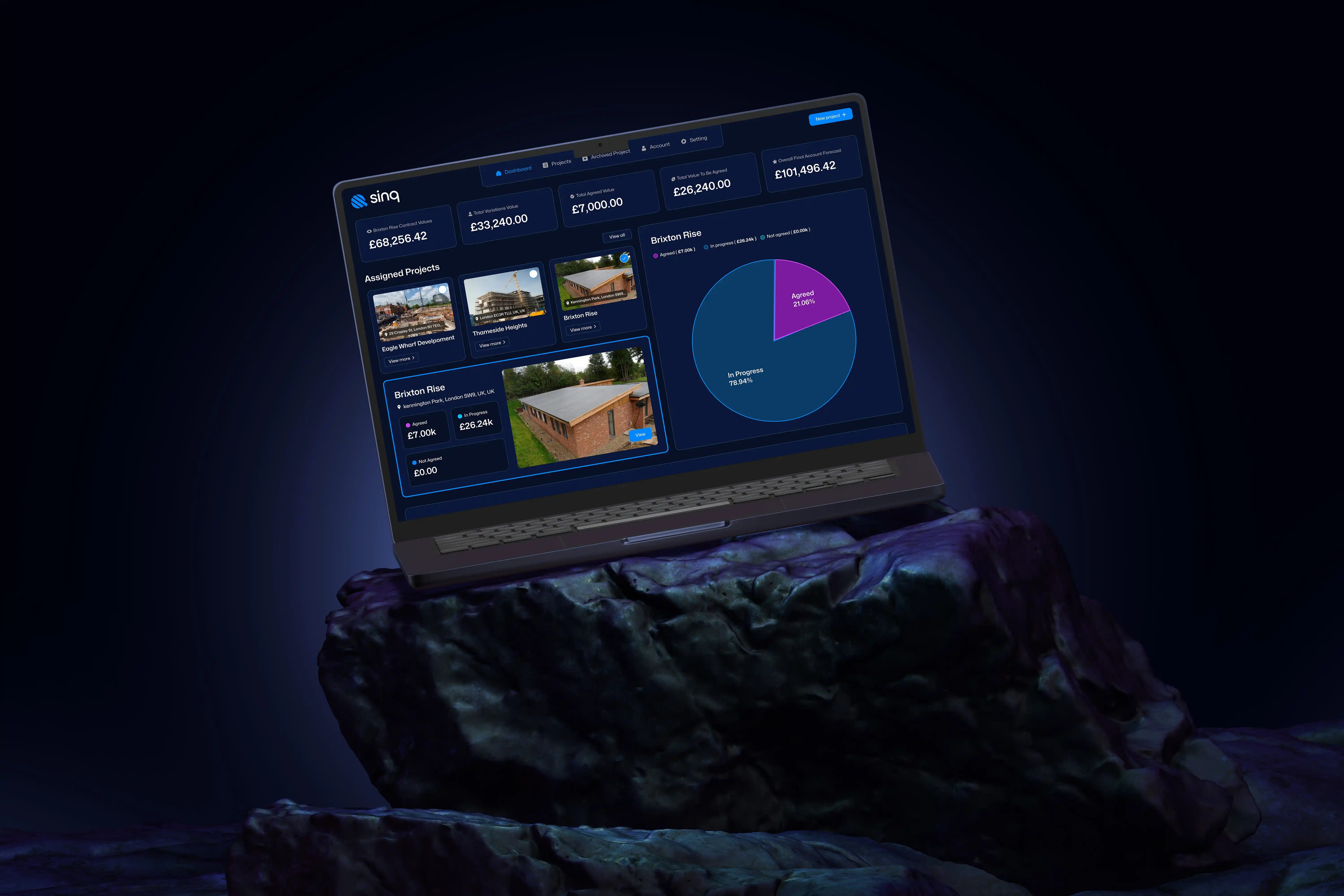
site settlement,A variation platform that turns the audit trail into a side-effect, not a chore.
Flutter · Node · MongoDB · AWS 3.4×
match relevance
3.4×
match relevance
 <24h
settlement
<24h
settlement
 1,200km
field-tested pre-launch
1,200km
field-tested pre-launch
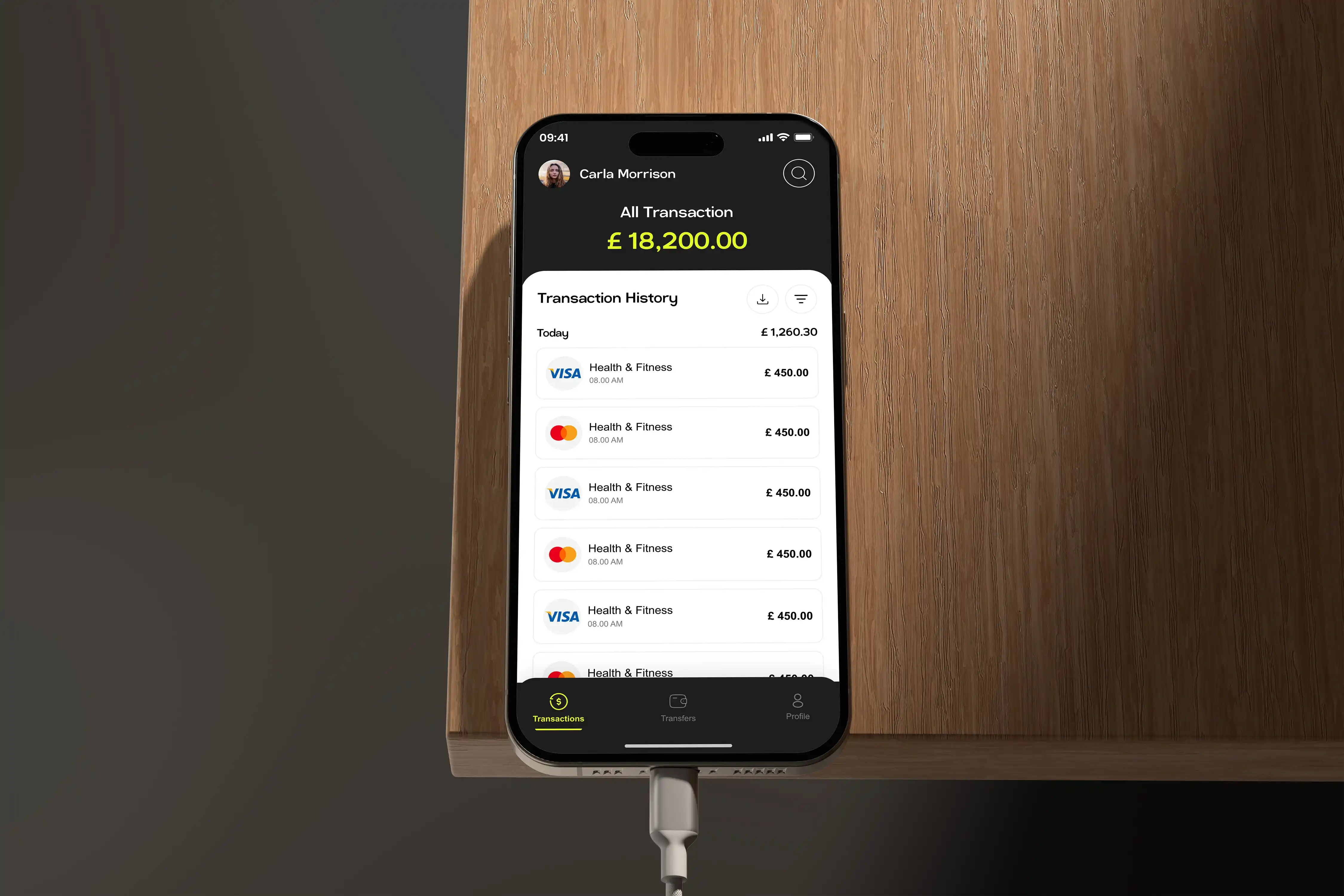
A cycling computer that talks to the bike and the rider at once.
 14wks
whiteboard FCA-ready
14wks
whiteboard FCA-ready
Consumer investing built FCA-compliant from the schema.
Answered the way we’d answer them across a coffee table. Not the way a sales deck would.
Architecture-first software development. We make the diagram first. Then we write the trade-offs down. Then we make the call out loud. Only then does code get written. Funded startups and the agencies that hire us. Web, mobile, AI, infrastructure: 5 clusters of work, 1 spine underneath every one of them.
Both, but we’re honest about the fit. Pre-seed founders without a paying customer yet: we’ll tell you to wait and ship the cheapest version yourself. Series A onwards: this is exactly the moment the architecture call compounds. Agency partners building for their own clients: we run as your white-label senior team, quiet and on-brand.
The audit is £8K flat, 5 working days: diagram, risk register, six ADRs, 90-day plan. After the audit you get a single fixed quote for the build — no day-rate clock, no scope creep. Long-term advisory sits at £5K/month, cancellable with 30 days’ notice. See the sample budgets on /pricing.
Usually within 2 weeks. The first email goes back inside 24 hours. The intro call (only if the email tells us it’s worth your time) happens within 5 working days. Audit week begins as soon as access is sorted. We don’t run pipelines. If we say yes, we mean it.
Yes. We will inherit your Linear / Jira / GitHub / Slack setup, run inside your sprint cadence, and conform to your code review standards. The one thing we will not adapt: the architecture call always gets made out loud at the start. That is the work.
We run ~30 AI-codegen and inherited-code rescues a year. Same shape: audit week first, then rebuild what’s salvageable, then replace what isn’t. The pattern is consistent enough that we can usually tell you in week one whether the rescue is worth it, or whether starting from scratch is the cheaper call.
Yes. Monthly advisory once the system is live. Weekly standups, architecture reviews, scaling decisions. We treat this as the most important part of the engagement. It’s the place where the year-two bugs would have shown up.
Senior engineers with seven-plus years on production systems. Mohit reviews the architecture call in week one and reads every PR that touches the spine. No juniors, no contractors-on-contractors, no bench filler. Same team start to finish.
Email Mohit directly. Under 24 hours, every time, with either a clear yes, a clear no, or the question that decides it.
Send what you’re trying to ship and the constraint you can’t get past. Mohit reads every first email and replies inside 24 hours: a clear yes, a clear no, or the one question that decides it. No discovery call until the email says the call is worth your time.
Yes, no, or the deciding question. Straight to your inbox, not a team thread.
Architecture diagram, trade-offs on the table, the call we’d make. In plain English.
Shipped, instrumented, measured against the number you said you wanted to move.