£3.2M revenue, and Black Friday is 38% of the year. Two Black Fridays ago the custom checkout buckled under the spike. Cart abandonment hit 84%. Stripe webhooks failed mid-storm. Some orders shipped twice. The board call was not a good one.
Industry Ecommerce development company · headless Shopify · PCI-aware · UK
Ecommerce development for the checkout that converts. and the PCI scope you can defend.
Shopify Plus and headless commerce on Hydrogen and Next.js, custom checkout, Stripe + Adyen with PCI scope minimised, subscription, and ERP + 3PL integration. The conversion-engineered cart that doesn’t fall over on Black Friday.
3ecommerce builds shipped since 2019
0BFCM downtime incidents
2×median conversion lift
(Why UK ecommerce founders sign)
Your shopper, your auditor, and your acquirer all judge the same checkout. We build to all three.
Custom ecommerce development isn’t a theme you swap at audit. It’s a set of checkout, PCI, and load decisions you make in week one, or pay through cart abandonment and an SAQ-D bill to retrofit. We make them in week one.
0
0
0
The founder this page is for84% cart abandonment · £28K PCI · conversion 2.1×
Priya runs a UK premium fashion DTC. The brand was loved. The checkout collapsed under load.
The PCI scope was full SAQ-D because card data touched her own servers. The annual audit cost £28,000. The store worked on a quiet Tuesday and fell over on the one day that paid for the year. Retrofitting it felt like a rebuild nobody had budget for.
We rebuilt over fourteen weeks. Headless on Hydrogen. Stripe Elements for checkout, so scope dropped to SAQ-A. Server-side load testing to 8× baseline. Idempotent order pipeline. Last Black Friday: zero downtime, conversion up 2.1×, PCI cost down to £3K a year. This page is for the ecommerce founder who’d rather build for the spike and the auditor on day one.
Eight surfaces on the spine.
Live in production, day one.
Every custom ecommerce development build we ship carries the same eight load-bearing surfaces. Each one is edge-cached, idempotent, and built so your stock count agrees with your warehouse. Open any row.
Shopify Plus or headless on Hydrogen / Next.js. Edge-cached. Core Web Vitals in the green. Median LCP under 1.5 seconds on every store we ship.
Stripe Elements / Adyen Components. SAQ-A scope. 3DS2 with exemption routing. Apple Pay and Google Pay. One to two steps, mobile-first.
Abandonment flow with Klaviyo or Resend recovery emails. Win-back sequences. Stripe Link for returning shoppers. Address autocomplete.
Recharge or Stripe Subscriptions. Self-serve skip, pause, swap in the customer portal. Smart replenishment dates. Churn typically halves.
NetSuite, SAP, Brightpearl, or Linnworks. Idempotent inventory and order sync. Stock reserved at add-to-cart with TTL. No oversell.
ShipBob, Huboo, DPD, Royal Mail. Live rates at checkout. Label generation. Tracking webhooks back to the customer the same hour.
Stripe Tax or Avalara. UK VAT, EU OSS, US sales tax, IOSS for low-value imports. Documentation pack for your quarterly returns.
Mixpanel, Triple Whale, and server-side GTM. Conversion and LTV reporting your marketing team trusts because the numbers reconcile.
WHAT EVERY ECOMMERCE BUILD SHIPS WITH
Four things bolted in on day one, not begged for at audit
A custom ecommerce development build from us carries the same four load-bearing decisions every time. Each one is brutal to retrofit once you’re live, and each one is the reason the next Black Friday is boring.
PCI scope minimised
Stripe Elements or Adyen Components keep card data off your servers. Scope drops to SAQ-A or SAQ-A-EP. Annual audit cost typically falls 80 to 90%.
Black-Friday-grade load
Server-side load testing to 8× expected peak before launch. Edge-cached storefront. Idempotent writes. The day that pays for your year stays up.
ERP + 3PL + tax wired
NetSuite, Brightpearl, or Linnworks for inventory. ShipBob or Huboo for fulfilment. Stripe Tax with OSS for cross-border. Oversell becomes impossible.
Conversion-engineered cart
One to two step checkout. Apple Pay and Google Pay at the top. Stripe Link for returning shoppers. Abandonment recovery wired. Abandon rate usually halves.
The ecommerce pain. The architectural answer.
Every merchant who emails us is fighting one of these eight things. Each one bleeds revenue once you’re live. Each one is a single architectural decision made on day one of our build.
- 01
“The cart timed out. Stripe webhooks failed. We lost £180K in an hour.”
Load test to 8× baseline + idempotent pipeline. Server-side load testing to 8× expected peak. Idempotent order pipeline, so no double charges. Stripe webhook retries with a dead-letter queue. Zero downtime on the next BFCM.
- 02
“Our custom checkout pushed us to SAQ-D. The audit cost £28K a year.”
Stripe Elements / Adyen Components move you to SAQ-A. Card data never touches your server. Scope drops to SAQ-A or SAQ-A-EP. Annual PCI cost typically £2-4K versus £25-40K.
- 03
“Our checkout was seven steps. Mobile was broken. Conversion was in the basement.”
1-2 step checkout + Apple/Google Pay. One to two step checkout with Apple Pay and Google Pay at the top. Stripe Link for returning shoppers. Address autocomplete. Mobile-first. Abandon rate typically halves.
- 04
“We sold 14 units of a 10-unit SKU. Then we refunded angry customers.”
Inventory reservation + idempotent sync. Stock reserved at add-to-cart with a TTL. Idempotent sync to your ERP. Oversell becomes architecturally impossible, not a thing you hope doesn’t happen.
- 05
“3DS2 broke our checkout for 11% of EU customers and we couldn’t see why.”
3DS2 with a proper exemption strategy. Strong Customer Authentication with intelligent exemption routing. Recurring SCA handled. EU conversion recovers to UK levels post-implementation.
- 06
“Subscribers wanted to skip a month, couldn’t, and cancelled instead.”
Skip / pause / swap self-serve. Self-serve skip, pause, and swap in the customer portal. The replenishment date adjusts itself. Churn typically halves once this ships.
- 07
“Refunds took eight days, so customers chargebacked instead.”
Instant refund + return label flow. One-click refund from the order page. Return label generated automatically. Stripe instant refund. Chargeback rate drops because the easy path is the honest one.
- 08
“We started shipping EU. VAT confused us. OSS was never configured.”
Stripe Tax + OSS + IOSS. Stripe Tax with OSS for B2C EU. IOSS for low-value imports. A documentation pack for quarterly returns. Avalara if scale demands it later.
Three tiers, one cart that survives the spike.
Three UK ecommerce platforms have stress-tested these picks. Tier 1 runs every store. Tier 2 is what we reach for when the brief needs it. Tier 3 scales it to Black-Friday-grade volume.
T1
What every ecommerce build runs on
MERN + ShopifyMongoDBPostgreSQL (orders)Node.js + ExpressReact + Next.jsTypeScriptShopify Plus / HydrogenStripe + AdyenRechargeKlaviyoStripe TaxMixpanelPlaywright
T2
When your ecommerce brief calls for it
reach when neededAvalaraNetSuite / BrightpearlLinnworksShipBob / HubooTriple WhalePython
T3
The infrastructure that scales it
AWS + cloud-nativeAWSRDS / AuroraCloudFront / FastlyAWS LambdaKubernetes (EKS)Apache KafkaSQS + EventBridgeRedisk6 / ArtilleryTerraformDatadog + SentryCloudflare WAF
Recent client · UK ecommerce · 2024
84% cart abandonment to
84% cart abandonment to
conversion up 2.1×, zero downtime on the next Black Friday
Priya’s premium fashion DTC, in real numbers. We rebuilt the store headless on Hydrogen with Stripe Elements for SAQ-A scope, load-tested to 8× baseline, wired an idempotent order pipeline, shipped a one-step checkout with Apple and Google Pay, and added subscription self-serve. Fourteen-week sprint, behind a feature flag.
The sprint
14wk
Headless rebuild shipped
SAQ-A
PCI scope achieved
The outcome
2.1×
Conversion lift
0
Downtime on next BFCM
Track record
£28K£3K
Annual PCI cost
3
Ecommerce platforms since 2019
Three ways to start. Pricing in the email back.
We don’t publish prices on a page. Every ecommerce scope carries different load, tax, and integration weight. Pick the shape that fits and Mohit will send your real number inside 24 hours.
Ecommerce audit week
One week, fixed cost. A 30-page brief mapping your store against PCI scope, checkout conversion, BFCM load, and ERP + tax integration.
- 5-day senior audit
- PCI + load mapping
- Architecture brief + ADRs
- No commitment to build
Ecommerce build sprint
8 to 14 weeks. Full ecommerce surface end-to-end. Storefront, custom checkout, cart and recovery, subscriptions, ERP + 3PL + tax, BFCM-grade load.
- MERN + Shopify + AWS
- PCI scope minimised, day one
- 30-day walk-away both ways
- IP assigns on every commit
Checkout + load rebuild
7 to 12 weeks. Your existing store that buckles at peak or sits in SAQ-D scope. We rebuild the checkout, cut PCI scope, and load-test the spike.
- Gap audit + remediation
- Checkout + PCI rebuild
- Load test to 8× peak
- Idempotent pipeline shipped
“Last Black Friday was the first one I watched instead of firefighting. Conversion more than doubled.”
— Priya, founder, UK premium fashion DTCWhat ecommerce founders actually ask before signing
Pain-first, soft-second. The questions every merchant asks before they trust a studio with their checkout and their peak day.
Default to Shopify Plus for under £20M revenue with no unusual checkout needs. Go headless on Hydrogen or Next.js when you need editorial flexibility or custom PDP logic. Fully custom only when both of those fail, which is rare. As an ecommerce development company we’ll tell you the cheapest route that still hits your conversion and load targets, even when it earns us less.
Stripe Elements or Adyen Components capture the card on the client and exchange it for a token. Card data never touches your servers, so your scope drops to SAQ-A or SAQ-A-EP. Annual PCI audit cost typically falls from £25-40K to £2-4K. It’s designed in at week one of the build, not bolted on at audit.
We load-test server-side to 8× expected peak before launch. The order pipeline is idempotent, so no double charges during a retry storm. Webhooks have a dead-letter queue. The storefront is edge-cached. Zero downtime BFCM across the ecommerce builds we’ve shipped. The day that pays for your year is the boring one.
3DS2 on applicable transactions with a proper exemption strategy. Low-value, merchant-initiated, and trusted-beneficiary exemptions get used where they apply, so frictionless flow happens wherever it’s allowed. EU conversion recovers to UK levels post-implementation instead of leaking 11% of shoppers at the bank.
Default Recharge on Shopify. Stripe Subscriptions for headless. Custom only when neither fits, usually B2B subscription with complex tiering. Whichever we pick, you get self-serve skip, pause, and swap in the customer portal, which is the single change that halves subscription churn. We recommend based on your billing complexity, not on what’s easiest to build.
Three things make this hard to fake. The 30-day walk-away clause goes both ways and refunds the unused portion. Payments are milestoned 25/25/25/25, so you never pay more than 25% ahead of working software. And we’ve been shipping since 2019, UK VAT registered, listed on Companies House. You can check us before you sign.
Yes, with 14 days’ notice. Engineers move to other projects, your repo stays where it is, your spend pauses. Resume with 14 days’ notice and we pick up at the same sprint board, same engineers. No cancellation fee, no restart fee. We’ve done this six times in 2025.
That’s the whole point of custom ecommerce development done our way. You get a 30-page architecture brief, six ADRs minimum covering checkout, idempotency, subscription, and cross-border tax, plus the PCI scope evidence pack. The brief is written to the question your acquirer’s CTO will ask, so they read it once and stop asking.
In context
See it in context.
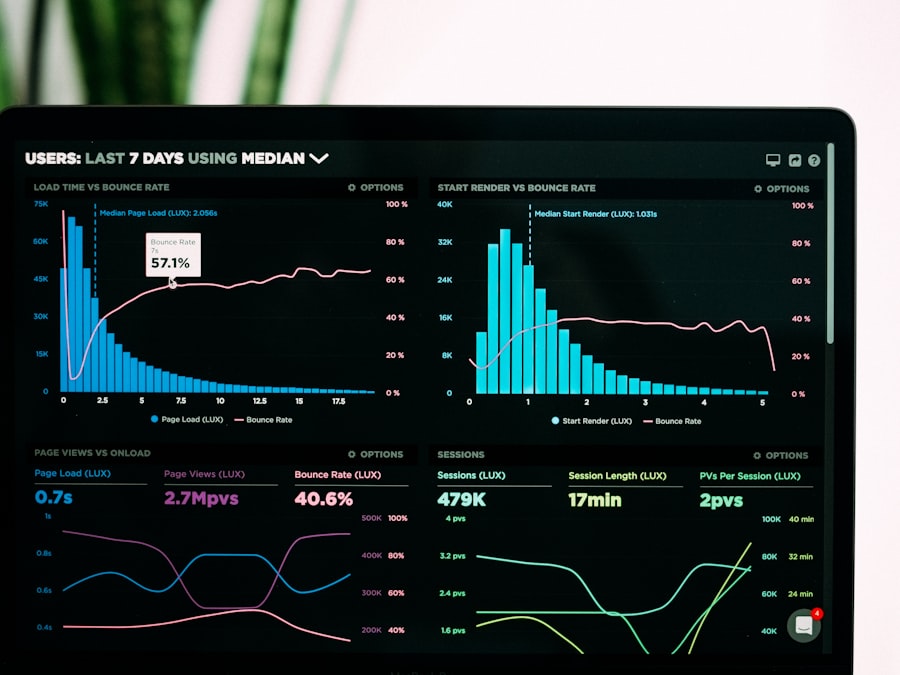
A look at the kind of ecommerce development company surface we hand over — real screens, real data, documented and yours from day one.
One paragraph. That’s it.
Tell us what you sell, who your shoppers are, and the checkout, PCI, or peak-load question you’re most worried about. Mohit reads every first email and replies inside 24 hours: a clear yes, a clear no, or the one question that decides it.
What happens after the email lands
- < 24h
A personal reply.
Yes, no, or the deciding question. Straight to your inbox, not a team thread.
- Week 1
Audit week begins.
We map your store against PCI scope and BFCM load, write the trade-offs, hand you a signed scope.
- Week 14
Conversion-ready store.
Headless, SAQ-A, load-tested, with the checkout your shoppers finish and your auditor signs off.