240 vehicles. 11,000 deliveries a week. The TMS was a spreadsheet plus a WhatsApp group. Drivers had paper run sheets. SLA visibility was the next-day Excel pivot, by which point the conversation with the client was already over.
Industry Logistics software development · TMS + WMS · UK
Logistics software development for the route, the warehouse, and. the driver who makes it work.
For UK 3PLs, fleets, and courier networks. Custom TMS + WMS, offline-first Flutter driver apps, route and load optimisation, real-time GPS tracking, and carrier integrations — with an SLA scorecard so the contract you lost on missed deliveries is one you can defend next time.
3logistics builds shipped since 2019
0customer-data leaks in production
36%median empty-mile cut
(Why UK logistics operators sign)
Your client and your insurer ask the same question. Where’s the proof?
Custom logistics software development isn’t a feature you bolt on when a contract goes wrong. It’s the GPS, the proof of delivery, and the SLA scorecard you wire in week one, or pay for in lost contracts later. We wire them in week one.
0
0
0%
The operator this page is for2 clients churned · claim refused · SLA breach 1.1%
Marcus runs a same-day courier network. The vans ran fine. The proof didn’t exist.
Two clients churned for missed SLAs Marcus couldn’t prove. Then the insurer refused a goods-in-transit claim because there was no GPS evidence the vehicle was where the driver said it was. The board call after that one was short and unpleasant.
We rebuilt it in sixteen weeks. Custom TMS. An offline-first Flutter driver app. A live ETA model. A GPS plus photo proof of delivery, audit-logged. An SLA scorecard per client. SLA breach rate dropped from 6.2% to 1.1%. This page is for the operator who’d rather have the proof on day one than argue without it later.
HIRE LOGISTICS SOFTWARE DEVELOPERS LONDON · SENIOR-ONLY STUDIO
Four things a generic SaaS shop can’t hand you
This is what three logistics builds have hammered into the studio. Not a brochure. The reasons fleets and courier networks trust us with the delivery the client is already chasing.
An offline driver app that doesn’t break
Flutter offline-first. Route, proof of delivery, photo, signature, and exceptions all captured without signal, then synced. Your driver’s workflow survives the tunnel and the car park.
A claim you can actually defend
GPS plus photo proof of delivery, audit-logged at the moment of drop. When the client disputes or the insurer asks, the evidence is already in the file, not lost in a WhatsApp thread.
Empty miles cut, not just measured
A multi-stop optimiser that respects vehicle type, time windows, and driver hours. Empty miles drop 30 to 40%. The diesel saving usually pays for the build inside a year.
A real reply in 24 hours
Mohit reads every brief personally. A real reply, not a calendar link, inside one working day. London time.
The logistics pain. The architectural answer.
Every operator who emails us is fighting one of these eight things. Each one costs a contract, a claim, or a margin once the fleet is running. Each one is a single architectural decision made on day one of our build.
- 01
“The client said we missed 8 deliveries. We had no evidence. We lost the contract.”
GPS + POD + scorecard, audit-logged. GPS and photo proof of delivery logged at the drop. An SLA scorecard per client with breach attribution. Lost-claim defence built in, so insurance claims and contract disputes are defendable.
- 02
“Drivers had paper run sheets. Nothing was real-time.”
Offline-first Flutter driver app. Route, proof of delivery, and photo in the driver’s hand. Works without signal, syncs on connectivity. The run-sheet paperwork is eliminated and the dispatcher sees the round live.
- 03
“We were running 23% empty miles. Diesel cost was out of control.”
Multi-stop optimiser + vehicle constraints. Multi-stop optimisation that respects vehicle type and driver hours. Empty miles typically drop 30 to 40%. Diesel cost falls and the freed capacity turns into revenue.
- 04
“Drivers ran into low-emission zones with non-compliant vehicles. Charges and fines piled up.”
Zone-aware routing. Routes check vehicle type against the zone before they’re assigned. Compliant routing by default. Charges auto-claimed where allowed. The surprise penalties end.
- 05
“A Royal Mail rate pull changed and we didn’t notice for 4 days.”
Carrier integration health monitor. A health monitor on every carrier integration: rate pull, label generation, tracking sync. Alerts the moment something drifts. Silent breakage that costs you a week ends.
- 06
“‘Where’s my parcel?’ calls were 60% of our CX team’s time.”
Customer self-serve + live ETA. A self-serve portal with a live ETA, reschedule, refund, and claim. The where-is-my-order calls typically drop 60 to 70%, and your CX team gets its day back.
- 07
“We sold 14 of an 8-unit SKU because the WMS lagged the TMS.”
Unified TMS + WMS data model. One unified data model. Stock reserved at order. An idempotent pick. The oversell that costs you a refund and a bad review becomes architecturally impossible.
- 08
“A driver ran 11 hours. That’s a Working Time breach and a Drivers’ Hours penalty.”
WTD + Drivers’ Hours enforcement. Working Time and Drivers’ Hours enforced in the dispatcher, fed by a driver clock and optional tachograph. Routes that would breach are blocked before assignment. The penalty risk closes.
LOGISTICS SURFACES WE’VE SHIPPED
Eight logistics surfaces, live in production
What lives on the spine. Each one wired so your dispatcher, your driver, and your client see the same delivery in real time, not three different versions of it.
TMS console
Order intake, planning, dispatch, exception management, and a client-facing console. The control room your operations team actually wants to open.
WMS + barcode
Inbound, putaway, pick, pack, ship. Barcode scanner and label-printer hardware integration. Stock reserved at order, so you don’t oversell an 8-unit SKU.
Driver app (offline)
Flutter offline-first. Route, proof of delivery, photo, signature, and exception capture all work in a tunnel. Syncs the moment signal returns.
Route + load optimisation
Multi-stop optimisation with vehicle constraints, time windows, and driver shift rules. Built on OR-Tools. Empty miles typically drop 30 to 40%.
Real-time tracking
GPS plus telematics feeding a live ETA model. Visibility for your dispatcher, your client, and the recipient waiting at the door.
Customer self-serve
Order, track, reschedule, refund, and claim, without phoning you. ‘Where’s my parcel?’ calls typically drop 60 to 70%.
SLA + analytics
SLA scorecard per client. On-time-in-full. Breach attribution. The retention dashboard that tells you which contract is slipping before it churns.
Integrations
Royal Mail, DPD, DHL, FedEx, ParcelForce, Evri carrier APIs, plus ERP, accounting, fuel cards, telematics, and warehouse hardware.
Three tiers, one delivery the whole chain agrees on.
Three UK logistics platforms have stress-tested these picks. Tier 1 runs every build. Tier 2 is what we reach for when the brief needs it. Tier 3 scales it to peak-season volume without a rebuild.
T1
What every logistics build runs on
MERN + FlutterMongoDBPostgreSQL + PostGISNode.js + ExpressReact + Next.jsTypeScriptFlutter (offline-first)Python (OR-Tools)Mapbox / OSRMGPS + telematicsMixpanel
T2
When your logistics brief calls for it
reach when neededCarrier APIs (Royal Mail, DPD, DHL)Tachograph integrationBarcode + label hardwareJava + SpringReact NativeWebSockets
T3
The infrastructure that scales it
AWS + cloud-nativeAWSRDS / Aurora (PostGIS)Kubernetes (EKS)AWS LambdaS3 + CloudFrontApache KafkaSQS + EventBridgeRedisTerraformDatadog + Sentry
Recent client · UK logistics · 2024
Spreadsheet TMS + paper run sheets to SLA breach 6.2% 1.1%, empty miles down 36%
Marcus’s same-day courier network, in real numbers. We replaced the spreadsheet TMS and paper run sheets with a custom TMS, an offline Flutter driver app, a real-time ETA model, GPS plus photo proof of delivery, and an SLA scorecard per client. A sixteen-week sprint. The where-is-my-order calls fell with it.
The sprint
16wk
TMS + WMS + driver app shipped
240
Vehicles live on the platform
The outcome
1.1%
SLA breach rate, from 6.2%
-36%
Empty miles after optimiser
Track record
3
Logistics platforms since 2019
-64%
Where-is-my-order calls
Three ways to start. Pricing in the email back.
We don’t publish prices on a page. Every logistics scope is different, from a single-warehouse WMS to a mixed-fleet TMS. Pick the shape that fits and Mohit will send your real number inside 24 hours.
Logistics audit week
One week, fixed cost. A 30-page brief mapping your operation: TMS and WMS gaps, route waste, SLA exposure, and the carrier and hardware integrations you need.
- 5-day senior audit
- Route + SLA + integration mapping
- Architecture brief + ADRs
- No commitment to build
Logistics build sprint
8 to 14 weeks. The full logistics surface end-to-end. TMS plus WMS, an offline Flutter driver app, route and load optimisation, GPS and proof of delivery, and the SLA scorecard.
- MERN + Python + AWS
- Real-time tracking + POD designed in
- 30-day walk-away both ways
- IP assigns on every commit
Optimiser + proof retrofit
7 to 12 weeks. Your existing TMS with the route waste, the lost-claim exposure, or the carrier breakage. We rebuild the gaps and ship the audit log and the scorecard.
- Route optimiser retrofit
- GPS + POD audit log
- Carrier health monitoring
- SLA scorecard shipped
“The proof-of-delivery audit log was the document that won the contract back. The client read it once and stopped arguing.”
— Marcus, founder, UK same-day courier networkWhat logistics operators actually ask before signing
Pain-first, soft-second. The questions every operator asks before they trust an engineering studio with the round, the warehouse, and the client contract.
We’ll tell you straight. Default to off-the-shelf (Maxoptra, Routific, Onfleet) under 50 vehicles or for standard operations. Go custom over 50 vehicles, multi-warehouse, mixed fleet, complex SLAs, or when you’re selling logistics-as-a-service and the platform is the product. Custom logistics software development only earns its cost when off-the-shelf would cap your margin or your contract terms.
Yes, and that’s the whole point. The Flutter driver app is offline-first. Route, proof of delivery, photo, signature, and exception capture all work without a signal, then sync the moment connectivity returns. Your driver’s workflow doesn’t break in a tunnel, a basement car park, or a rural notspot.
The live ETA model is fed by GPS, traffic, and historical run times per stop type. Accuracy is typically within plus or minus 8 minutes for same-day urban delivery, and it improves as the data builds. That’s accurate enough to stop the recipient phoning your CX team to ask where their parcel is.
Royal Mail, DPD, DHL, FedEx, UPS, ParcelForce, Yodel, and Evri are all common. We wire the carriers you actually use, with a health monitor on each one so a silent rate-pull or label-API change gets caught the same day, not four days later when a client complains.
A driver clock plus optional tachograph integration. The Working Time Directive is enforced in the dispatcher, so routes that would breach are blocked before they’re assigned. Compliance becomes defendable rather than something you discover after the fact when DVSA asks. This is logistics software development built to the rule, not around it.
Three things make this hard to fake. The 30-day walk-away clause goes both ways and refunds the unused portion. Payments are milestoned 25/25/25/25, so you never pay more than 25% ahead of working software. And we’ve been shipping since 2019, UK VAT registered, listed on Companies House. You can check us before you sign.
Yes, with 14 days’ notice. Engineers move to other projects, your repo stays where it is, your spend pauses. Resume with 14 days’ notice and we pick up at the same sprint board, same engineers. No cancellation fee, no restart fee. We’ve done this six times in 2025.
That’s built into the way we do logistics software development. You get an architecture brief, six ADRs minimum, the unified TMS and WMS data model documented, the optimiser approach, and the SLA model. The proof-of-delivery audit log and the carrier health monitoring are the things a buyer’s CTO actually probes, and they’re already there. They read it once and stop asking.
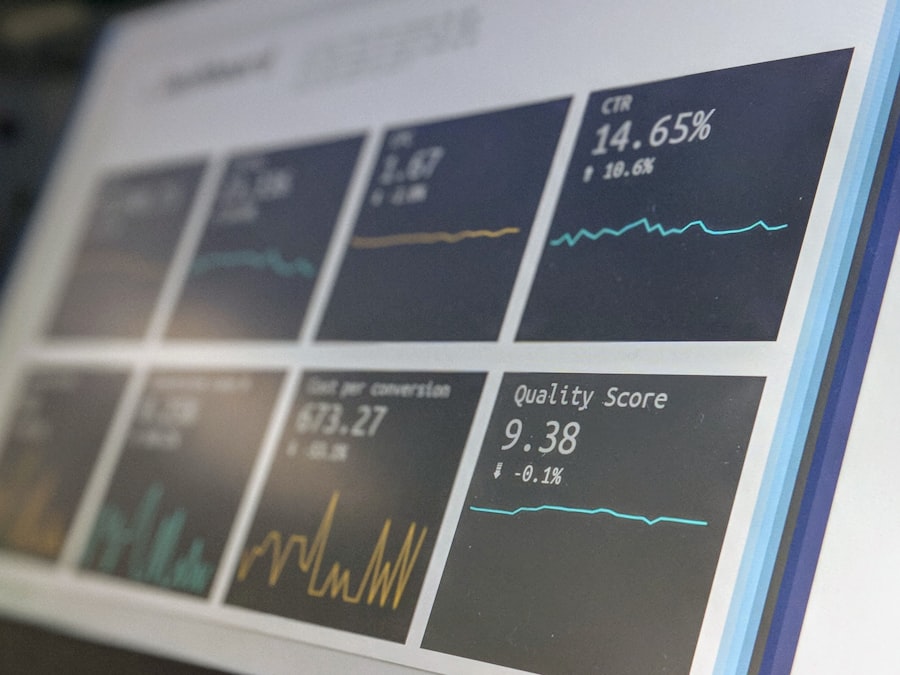
In context
See it in context.
A look at the kind of logistics software development surface we hand over — real screens, real data, documented and yours from day one.
One paragraph. That’s it.
Tell us the fleet size, the surface you’re building (TMS, WMS, driver app, or all three), and the contract or claim you’re most worried about. Mohit reads every first email and replies inside 24 hours: a clear yes, a clear no, or the one question that decides it.
What happens after the email lands
- < 24h
A personal reply.
Yes, no, or the deciding question. Straight to your inbox, not a team thread.
- Week 1
Audit week begins.
We map your operation, the route waste, and the SLA exposure, then hand you a signed scope.
- Week 14
A platform that proves the delivery.
TMS, WMS, an offline driver app, GPS proof of delivery, and the scorecard your client reads cold.