A UK SaaS scale-up signed us for dbt + Airflow orchestration after six months of in-house attempt. Two engineers part-time, no observability, no audit log, and a Confluence page for the runbook. The acquirer’s CTO walked the codebase pre-LOI and said it plainly: rip and replace, or take a 25% diligence haircut.
Service dbt + Airflow orchestration · dbt consultant + developer · UK
dbt + Airflow orchestration for the data team drowning in 470. dbt models nobody owns.
dbt + Airflow orchestration for UK data teams who inherited the sprawl and now own the pages. We rescue 470 models nobody can trace, then ship ownership, freshness SLAs, lineage, a semantic layer, and per-workload cost attribution — orchestration that scales past 1,000 models without a 2am page.
24hreply, from a senior
200+projects shipped since 2019
Senioronly, on the spine
(Why data leads sign)
You need dbt + Airflow orchestration that someone owns. We ship it with senior engineers and the receipts your acquirer reads.
A pile of dbt models is not a data platform. We rebuild yours into a system with owners, freshness SLAs, lineage, and a cost line your CFO trusts.
0
0
5day
The data lead this page is for470 models · no owner · “rip or replace”
A scale-up had 470 dbt models. Two engineers, part-time. Nobody owned the pipeline.
We rebuilt over ten to fourteen weeks. Senior engineers paired daily. ADRs documented the same day. The evidence pipeline was wired on Day 1. The acquirer’s CTO came back to the diligence call, walked the same surface, and signed retention. Full team kept. Deal closed at ask.
This page is for the founder or data lead who decided the pipeline is shipping to production, and wants it to land without taking the business down.
The orchestration pains we hear in every audit
The pain. The Day-1 architecture answer.
Each pain decides whether your pipeline survives the next silent failure, the next cost spike, or the next 10× in models. Here’s how we answer the three we hear most.
The model nobody owns
Project structure and model ownership
Staging, intermediate, and mart layers. An owner and a freshness SLA on every model. Dead models pruned. Lineage UI so the next engineer reads the graph, not the tribal knowledge.
The cost spiral
Per-workload cost attribution
Every model and every Airflow task tagged with warehouse spend. Budget alerts before the invoice. The bill stabilises within 30 days.
The silent failure
Per-workflow observability and alerts
Freshness checks, run-state alerts to PagerDuty and Slack, and a lineage view so on-call knows what broke and what it feeds. The customer never finds out first.
The stack we ship every dbt + Airflow engagement on.
dbt for the transformation layer, Airflow or Dagster for orchestration, the warehouse you already run, and the observability that keeps it honest at scale.
T1
What we build every pipeline on
dbt + Airflowdbt CoreApache AirflowPythonSQLSnowflakeBigQueryPostgreSQLGreat Expectationsdbt semantic layerGitHub ActionsSentryDatadog
T2
When your brief calls for it
reach when neededDagsterDatabricksApache SparkKafka / ConfluentFivetran / AirbyteDuckDB
T3
The cloud and infra for scale
AWS-defaultAWSAWS MWAAAWS S3AWS RDS / AuroraKubernetes (EKS)DockerRedisTerraformAWS Cost ExplorerAWS Secrets ManagerCloudWatchOpenTelemetry
WHAT THE REBUILD SHIPS
Six things that turn a pile of models into a platform
The dbt + Airflow orchestration we ship on every engagement.
Owned, observable, and defendable on a diligence call.
Project structure and ownership
Staging, intermediate, and mart layers. An owner and a freshness SLA on every model. Dead models pruned, lineage UI so the next engineer reads the graph.
Observability and alerts
Freshness checks, run-state alerts to PagerDuty and Slack, and a lineage view so on-call knows what broke and what it feeds. The customer never finds out first.
Per-workload cost attribution
Every model and every Airflow task tagged with warehouse spend. Budget alerts before the invoice. The bill stabilises within 30 days.
Audit log per run
Every dbt run, every model change, every backfill logged and queryable. The SOC 2 auditor reads it and moves on.
One semantic layer
Metrics defined once and consumed everywhere. The dashboard, the API, and the board deck pull the same number. Drift stops at the source.
Restore rehearsed and scale-ready
A DR drill on the calendar, RTO and RPO tested, backfills idempotent. Selective runs and smart scheduling so the DAG scales past 1,000 models.
Results
The scale-up’s pipeline,
The scale-up’s pipeline,
after the rebuild, in numbers
We rebuilt 470 unowned dbt models as a layered project: every model with an owner and a freshness SLA, Airflow orchestration with per-task cost tags, a semantic layer, lineage UI, and DR rehearsed.
Ownership
4700
Models with no owner
100%
Models with freshness SLA
Diligence
12 wk
In-house to acquirer-defendable
0
Diligence haircut, closed at ask
Track record
8
dbt rescues since 2022
0
Production incidents shipped
SERVICE
What in-house teams can’t hand you
A focused set of dbt + Airflow orchestration services that turn a pile of models into a data platform someone can defend.
SERVICE
(01)
Project restructure and ownership
We rebuild 470 unowned models into staging, intermediate, and mart layers, with an owner and a freshness SLA on every surviving model and the dead ones pruned.
Layered structure
Model ownership
Freshness SLAs
Lineage UI
Project restructure and ownership
SERVICE
(02)
Airflow and Dagster orchestration
Orchestration that scales past 1,000 models, with selective runs, smart scheduling, and a DAG you can reason about. We ship on Airflow by default and Dagster where asset-based fits.
Apache Airflow
Dagster
Selective runs
Scales past 1,000 models
Airflow and Dagster orchestration
SERVICE
(03)
Observability and cost attribution
Freshness checks and run-state alerts to PagerDuty and Slack, plus every model and Airflow task tagged with warehouse spend and budget alerts before the invoice.
Freshness checks
Run-state alerts
Cost tags
Budget alerts
Observability and cost attribution
SERVICE
(04)
Semantic layer and lineage
Metrics defined once in the semantic layer and consumed everywhere, so the dashboard, the API, and the board deck pull the same number. Drift stops at the source.
Semantic layer
One definition
Lineage view
No metric drift
Semantic layer and lineage
SERVICE
(05)
Audit evidence and DR
An audit log per run, an ADR pack, and a SOC 2 evidence stance, with disaster recovery rehearsed quarterly so restore is proven inside four hours, not promised.
Audit log
ADR pack
SOC 2 evidence
DR rehearsed
Audit evidence and DR
Audit first. Then sprint.
The honest decision. A fixed-price audit bounds the risk before any code ships, then a fixed-scope sprint, then an optional retainer if your team wants the pairing to continue.
5-day audit
Two senior engineers read your estate and your brief, then hand you a plan you can act on with or without us.
- 30-page written brief
- Six ADRs and a risk matrix
- Lineage and ownership gaps mapped
- Fixed-price quote for the sprint
Orchestration sprint
Eight to fourteen weeks of fixed-scope shipping. Audit-led, evidence-first, observable, multi-cloud comfortable.
- Project restructure and ownership
- Airflow / Dagster orchestration
- Freshness SLAs and cost attribution
- Semantic layer and lineage UI
Post-build retainer
One day a week of a senior engineer for three to six months, so your team gets unblocked and stays that way.
- Performance and cost work
- New model surfaces
- On-call pairing for your team
- 30-day walk-away, both ways
What data leads actually ask before signing
Pain-first, soft-second.
The audit is £8K fixed. The sprint is typically £25-65K fixed-price, scoped at the audit so you see the number before you commit. No day-rate, no scope creep. If the audit shows the work is smaller than that, we tell you in the brief, not in week ten.
No. We work in-place where we can. Whatever you run today, Snowflake, BigQuery, Redshift, or Databricks, we orchestrate on top of it. Migration is scoped at the audit only if you want it, and the old and new pipelines run in parallel until you sign off.
With the graph. Week one we build the lineage, find which models feed revenue and which are dead, and hand you an ownership map. The data orchestration services work then restructures into staging, intermediate, and mart layers with an owner and a freshness SLA on every surviving model.
You decide, we recommend. We lead with Airflow because it has the largest hiring pool and your next engineer already knows it. Where your team wants asset-based orchestration and software-defined assets, Dagster is the better fit, and we ship on both. The audit makes the call explicit with the trade-offs written down.
An ADR pack, an audit log per run, ownership and freshness on every model, and a SOC 2 evidence stance. We’ve had an acquirer CTO walk the surface and sign full-team retention. The dbt + Airflow orchestration we ship is built to survive that call, not just pass it.
30-day walk-away both ways. The £8K audit is fixed and bounded, so you’re never more than 5 days at risk before you decide. UK VAT registered, listed on Companies House, shipping since 2019. IP assigns on every commit.
Every engagement has two senior engineers paired, not one. Every decision goes into an ADR the same day. Mohit reviews every PR. In seven years, two engineers have left mid-project. Both handovers were inside 48 hours.
Yes, with 14 days’ notice. Engineers move to other projects, spend pauses, and you resume with 14 days’ notice. No cancellation fee. We’ve done it six times in 2025.
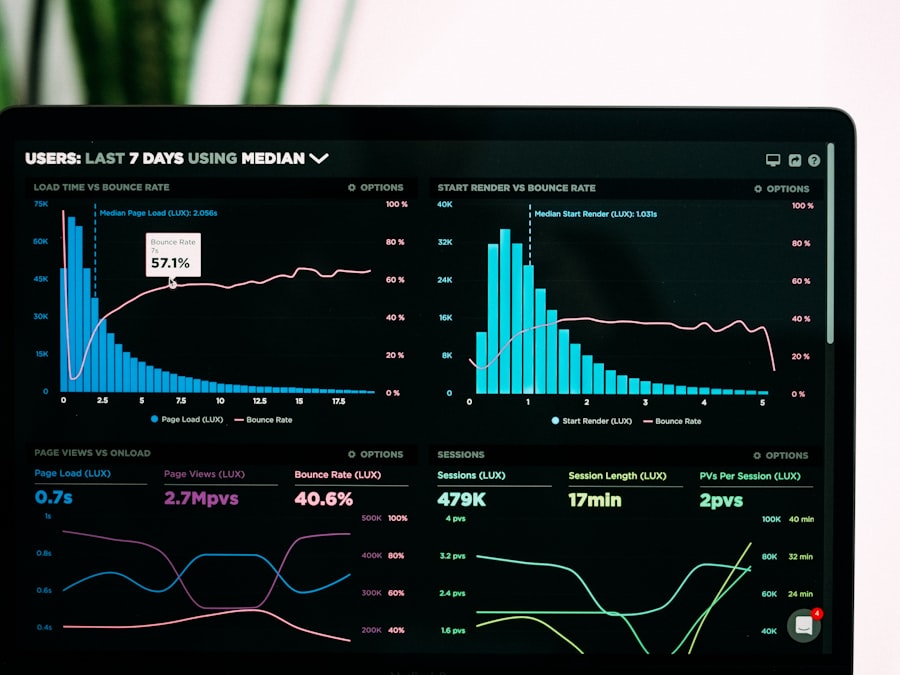
In context
What it looks like shipped.
dbt airflow orchestration, in context — the dashboards, flows and components your team actually ships, reviews and maintains.
Five lines. That’s it.
Tell us your current estate, your deadline, and the outcome you need. Mohit replies inside 24 hours: a clear yes, a clear no, or the one question that decides it, plus the next audit slot.
What happens after the email lands
- < 24h
A personal reply.
Yes, no, or the deciding question. Straight to your inbox.
- Week 1
The 5-day audit.
Lineage mapped, ownership gaps found, 30-page brief and a fixed quote.
- Wk 14
A pipeline someone owns.
Orchestration, freshness SLAs, cost attribution, the brief your acquirer reads.