The in-house attempt was two engineers part-time, no observability, no audit log, and a Confluence page with the runbook on it. When the acquirer’s CTO walked the codebase pre-LOI, the verdict was blunt: “rip and replace, or a 25% diligence haircut.”
Service Site reliability engineering · SLOs + error budgets + on-call · UK
Site reliability engineering for the team whose pager. fires more than its traffic does.
Site reliability engineering for UK SaaS and fintech — SLOs, error budgets, incident response, runbooks, on-call. We stop the 3am pages by building the discipline and the platform that prevent them.
24hreply, from a senior
200+projects shipped since 2019
Senioronly, on the spine
(Why CTOs sign)
You need site reliability engineering. We ship it with senior engineers and the receipts your acquirer asks for.
Reliability isn’t a tool you buy. It’s a discipline you build: SLOs that match the business, error budgets that decide when to ship, on-call that doesn’t burn your seniors out.
0
0
5day
The CTO this page is for“rip and replace, or 25% haircut” · retention signed
A scale-up tried to build reliability in-house. The product was fine. The platform wouldn’t survive diligence.
The product wasn’t the problem. The reliability discipline was. SLOs didn’t exist. Backups ran but restores were never tested. One engineer knew the system, so the bus factor was one. Nothing about it was defendable on a diligence call.
We rebuilt over 10 to 14 weeks. Senior engineers paired daily, ADRs landed the same day, the evidence pipeline was wired on day one. The acquirer’s CTO walked the same surface, signed full-team retention, and the deal closed at ask. This page is for the CTO who decided reliability is the product floor.
UK SRE CONSULTING SERVICES · SENIOR-ONLY
Four things in-house teams and offshore shops can’t hand you.
Reliability is bought as a tool by everyone who hasn’t felt a 3am page. It’s built as a discipline by the people who have. Here’s what built looks like.
Senior-only, no juniors
The engineers who sign your scope are the engineers who ship and maintain. Names on the SOW are names on the commits. No staff aug, no day-rate, no rebuild upsell.
Audit-defendable evidence
Every decision in an ADR. Every action in an audit log. SLOs and error budgets documented. Acquirer CTO and regulator both defendable on the call.
Idempotent and reproducible
Every workflow rerunnable. State recoverable. Disaster recovery rehearsed quarterly with a documented RTO and RPO, not a backup nobody’s ever restored from.
Fixed scope, walk away clean
An £8K 5-day audit, then a fixed-price sprint quoted at audit end. No scope creep. 30-day walk-away both ways. IP assigns on commit. No deposit forfeiture.
Process
Reliability as a practice
The discipline that turns a fragile platform into one your on-call can sleep through. Audit-led, evidence-first, observable from day one.
Step-01
SLOs and error budgets
Service level objectives that match what customers feel, not a vanity 99.99%. Error budgets that decide when to ship and when to freeze.
Step-02
Observability and runbooks
Trace IDs end to end, PagerDuty wired to the right humans, a runbook per alert. On-call reads the trace and knows in 60 seconds.
Step-03
DR rehearsed, chaos on purpose
A DR drill on the calendar, RTO and RPO tested, restore under four hours. We break things in a controlled window so they don’t break at 3am.
Step-04
Humane on-call, handed over
A rotation that’s humane, alerts that are actionable, blameless postmortems. The muscle stays with your team after we’ve gone.
The stack we ship every reliability engagement on.
Observability as the source of truth. Infrastructure as code. The hiring pool that means your next engineer is productive on day one.
T1
What we run reliability on
observability-firstOpenTelemetryDatadog APMSentryPagerDutyPrometheusGrafanaTerraformGitHub ActionsNode.js + ExpressTypeScriptPostgreSQLMongoDB
T2
When your brief asks for it
reach when neededPythonKafka / ConfluentRedisVaultVanta / DrataLaunchDarkly
T3
The infrastructure that scales it
AWS-defaultAWSKubernetes (EKS)AWS ECS FargateAWS LambdaAWS RDS / AuroraS3 + CloudFrontAWS BackupCloudWatch + GuardDutyAWS KMSAWS Cost ExplorerAWS Secrets ManagerDocker
The reliability pains we hear in every audit call
The pain. The day-1 reliability architecture.
Each one is the difference between a platform your on-call sleeps through and one that pages them awake.
0
Production incidents since cutover
17+
SRE engagements since 2019
“Two senior engineers, 5 days, and a reliability plan you can take to your board. That’s where every engagement starts.”
001
The silent failure
A workflow died silently and the customer found out first. Per-workflow observability, trace IDs end to end, PagerDuty and Slack wired to the right humans.
002
The audit log gap
Who did what, when? No record, and the SOC 2 auditor flagged it. Every change logged, tenant-admin viewable, exportable. Regulator request defendable inside the deadline.
003
The cost spiral
The cloud bill spiked and nobody knew why for three weeks. Cost tags per workload, budget alerts to Slack. The bill stabilises within 30 days and you can name what every pound buys.
004
Disaster recovery untested
The backup runs, the restore has never been tested. A DR drill on the calendar, RTO and RPO documented and tested, restore in under four hours, proven on a real run.
005
The single point of failure
One engineer knows the whole system, bus factor one. Two senior engineers paired daily, decisions in an ADR the same day. Bus factor moves from one to four.
006
The alert that means nothing
On-call gets 40 pages a night and ignores all of them. A noise budget and actionable alerts. Every alert maps to a runbook and a human action. Fewer pages, all worth waking up for.
007
The 3am unknown
Production incident at 3am and on-call has no idea what happened. Trace IDs end to end, structured logs. On-call reads the trace and knows the root cause in 60 seconds.
Results
In-house reliability,
In-house reliability,
after the rebuild, in numbers
We rebuilt a fragile, undocumented platform as one an acquirer’s CTO could defend: SLOs and error budgets, full observability, a tested DR plan, an evidence pipeline wired from day one.
Diligence
12 wk
In-house to acquirer-defendable
Full
Team retention signed pre-close
Reliability
0
Production incidents since cutover
<4h
Restore, rehearsed quarterly
Track record
17
SRE engagements since 2019
9 wk
SOC 2 Type 1 from a standing start
How an engagement starts
Audit, then sprint.
Two phases, risk bounded at week one. You decide whether to continue after a fixed-price audit, not after a 12-week SOW.
PHASE(01)
5-day audit · from £8,000 fixed
Two senior engineers read your estate and brief, then hand you the receipts to decide.
30-page written briefSix ADRs on the key callsRisk matrix, ranked by severityFixed-price quote
5-day audit
PHASE(02)
SRE sprint · from £55,000 fixed
Eight to fourteen weeks of fixed-scope shipping. Audit-led, evidence-first, observable.
SLOs, error budgets, on-callObservability + runbooks wiredDR tested, chaos drills runMulti-cloud comfortable
SRE sprint
PHASE(03)
Reliability retainer · from £5,000 / month
One day a week of senior reliability work for three to six months while your team gets unblocked.
On-call coaching for your teamSLO and budget reviewsNew surface, observed first30-day walk-away both ways
Reliability retainer
What CTOs actually ask before signing
Pain-first, soft-second.
An £8K 5-day audit, then a fixed-price sprint typically £45K to £110K depending on the estate. The sprint is scoped at the audit, so the number you sign is the number you pay. No day-rate, no scope creep, no surprise invoice in week ten.
No. We work in place where possible. If a migration genuinely helps, it gets scoped at the audit and you decide. Old and new run in parallel until you sign off. We don’t rip and replace for the sake of a rebuild invoice.
An ADR pack, an audit log, SLOs and error budgets documented, an evidence pipeline, and a SOC 2 stance. The acquirer’s CTO walks the surface and signs full-team retention. We’ve done exactly this three times across 2024 and 2025.
Every engagement has two senior engineers paired, not one. Every decision goes into an ADR the same day. Bus factor is four, not one. Two handovers in seven years, both inside 48 hours. The names on your scope are the names on your commits.
Yes. AWS is the default. We’ve shipped reliability work on GCP, Azure, Cloudflare, DigitalOcean, Vercel, and Fly.io. The multi-cloud lock-in path gets documented so a future board demand for a different provider isn’t a rewrite.
A Vanta or Drata evidence pipeline from day one. SOC 2 Type 1 achievable in eight to twelve weeks. A signed DPA plus SCCs for cross-border. A DSAR runbook and an erasure tool honoured at the schema. Procurement clears in days.
Yes. A good chunk of our reliability work is two seniors pairing with your team, not replacing it. Your engineer learns the on-call discipline, the SLO thinking, and the runbook habit while we ship. When we leave, your team owns it.
Walk away whenever. 30-day notice both ways, IP assigns on every commit, no lock-in, no deposit forfeiture. The retainer is optional and month to month. You keep everything we ship the day you stop paying.
In context
See it in context.
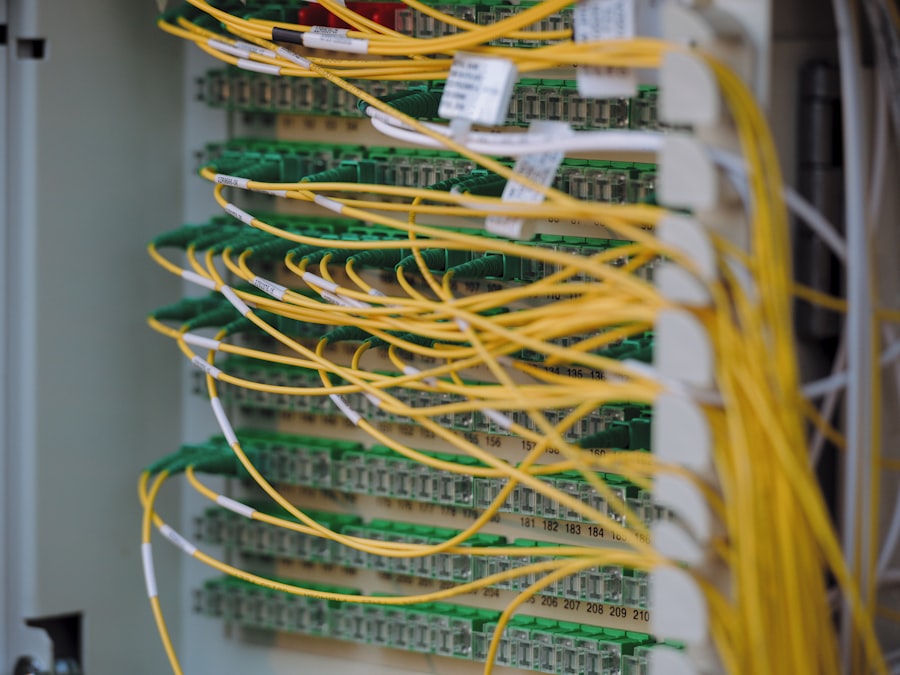
A look at the kind of site reliability engineering surface we hand over — real screens, real data, documented and yours from day one.
Five lines. That’s it.
Tell us your current estate, your deadline, and the outcome you need. Mohit replies inside 24 hours: a clear yes, a clear no, or the one question that decides it, plus your next audit slot.
What happens after the email lands
- < 24h
A personal reply.
Yes, no, or the deciding question. Straight to your inbox, with an audit slot.
- Day 5
The audit lands.
30-page brief, six ADRs, a ranked risk matrix, and a fixed-price quote for the sprint.
- Wk 8–14
Reliability shipped.
SLOs, observability, runbooks, DR tested. A platform your on-call can sleep through.