Three data scientists. Six notebooks running models in production via a cron job that pickled the latest checkpoint at 4am. It shipped. It worked. Nobody owned what happened to it after that.
Service ML model deployment · MLOps consulting · senior-only studio · UK
ML model deployment for the team with a notebook. and a deadline.
You bring the notebook; we bring inference serving (Triton, vLLM, TorchServe), eval suites with regression gates, canary rollout, drift monitoring, and a model registry the CFO and the regulator can both sign. 11 ML systems shipped since 2019 — all still running.
24hreply, from a senior
200+projects shipped since 2019
Senioronly, on the spine
(Why UK AI teams sign for ML deployment)
Your data scientists ship notebooks. We ship inference your team owns and your customers trust.
MLOps consulting isn’t a layer you add the week before launch. It’s the eval gate, the registry, and the drift monitor you wire on day one, or pay months to retrofit after a model drifts silently in production.
0
0
0
The team this page is for6-week silent drift · default rates climbed · caught at 2%
Hassan leads ML at a fintech. The model worked. Then it drifted in silence.
Then the credit-risk model drifted. Default rates climbed quietly for 6 weeks. The CRO asked why. Hassan’s team had no version log, no drift monitor, no eval baseline. They couldn’t prove which model version had even been live when the decisions were made.
We rebuilt it in fourteen weeks. MLflow registry, eval suite gated in CI, Triton inference, canary rollout, drift monitor with a PagerDuty alert, rollback in under 60 seconds. Drift now gets caught at 2% deviation, not 18%. This page is for the team that decided the notebook isn’t enough and wants inference the CFO and the regulator can both sign.
Six things in-house ML teams and offshore shops
can’t hand you.
MLOps senior hires take six months to land. The cost of wiring the eval gate, the registry, and the drift monitor in week one is a fortnight of architecture. The cost of retrofitting them after a silent drift is a board call. Open any row.
Every model PR runs the eval suite. A regression fails the build. Quality stops being “the holdout looked fine eight months ago” and starts being a number your team tracks on every release.
A new model ships to 5% of traffic first. Metrics watched. Auto-rollback on regression via LaunchDarkly. Your customers never meet the bad version, and you never spend four hours rolling it back by hand.
Evidently or WhyLabs running in production. You get an alert at 2% deviation, not the 18% your CRO notices. PagerDuty wired to the people who can act, with the drifting feature named in the page.
An MLflow consultant’s job done right. Every prediction logged with model version, input hash, and output. When the FCA asks you to reproduce a decision from four months ago, you re-run it instead of apologising.
Triton, vLLM, or TorchServe pinned to the workload. Pre-warmed, GPU-pinned, autoscaling from one. Cold start drops from eight seconds and a spinner to under 500ms. Streaming, batch, and edge all supported.
No juniors behind a senior title. The MLOps engineers who sign your scope are the ones who ship. You keep everything, IP assigns on commit, the migration path off any vendor is documented, and you can walk away inside 30 days.
The ML pain. The day-1 architectural answer.
Every team that emails us is fighting one of these eight things. Each one is brutal to fix once models are serving real customers. Each one is a single architectural decision made on day one of the build.
- 01
“The model drifted. The CRO noticed at week six. We had no monitor.”
Evidently drift monitor + alerting. Drift watched in production. Alert at 2% deviation, not 18%. PagerDuty wired to people who can act, with the drifting feature named in the page.
- 02
“Production logged a prediction. Nobody knows which model version made it.”
MLflow registry + version per inference. Every inference logs model version, input hash, and output. The MLflow consultant’s job done right. Audit-defendable, reproducible four months later.
- 03
“Someone tested on a holdout once, eight months ago. PRs ship blind.”
Eval suite + regression gate in CI. The eval suite runs in CI on every PR. A regression fails the build. Quality stops being hope and starts being a number you both track.
- 04
“A new model shipped to 100% of traffic. It crashed the mobile app. Four hours to roll back.”
Canary + feature flag + auto-rollback. 5% canary first. Metrics watched. Auto-rollback on regression. The bad version never meets a customer, and rollback is seconds, not hours.
- 05
“Triton cold-started at eight seconds. The customer just saw a spinner.”
Pre-warm + GPU pinning + autoscale. Pre-warmed pods, GPU pinned, scale from one. Cold start drops to under 500ms. The Triton inference server tuned to the workload, not left on defaults.
- 06
“The GPU bill went from £3K to £42K. Nobody knew why.”
Cost attribution per model + auto-suspend. Per-model GPU cost tags. Auto-suspend on idle. Right-sized instances. The bill stabilises and the spend becomes a decision, not a surprise.
- 07
“The FCA asked us to reproduce a credit decision from four months ago. We couldn’t.”
Audit log + reproducible inference. Every inference reproducible. Model version, input, and output logged. Re-run any prediction on demand. FCA and GDPR DSAR defendable, tested on credit-risk and clinical AI.
- 08
“The model returned weird outputs. Nobody knows why. The stand-up takes forty minutes.”
Per-inference observability. OpenTelemetry traces per inference. Inputs, outputs, model version, latency, GPU pinning. You open the trace and the answer is there, not in a forty-minute argument.
The stack we ship every ML deployment on.
Eleven ML systems have stress-tested these picks. Tier 1 runs every deployment. Tier 2 is what we reach for when the brief needs it. Tier 3 is the infrastructure that scales it to production GPU volume.
T1
What every ML deployment runs on
Python + inferencePython 3.12PyTorch / TensorFlowMLflow (registry)Triton / vLLM / TorchServeFastAPIPydantic v2Evidently / WhyLabsLaunchDarklyOpenTelemetryPagerDuty
T2
When your ML brief calls for it
reach when neededSageMaker / Vertex AIRay ServeDVCWeights & BiasesHugging Face HubModal / RunPod
T3
The infrastructure that scales it
AWS + GPU-nativeAWSAWS LambdaKubernetes (EKS) + KarpenterTerraformS3 + GCSSnowflake / BigQueryPostgreSQL (audit)RedisDatadog + SentryGrafana
ML deployment surfaces · live in production
What we work on
Each surface eval-gated, version-logged, and built so a quality regression fails the build instead of reaching a customer.
2%
Drift deviation caught, not 18%
0+
Regressions reached customers
“The audit log was the document that closed our supervisory file. They read it once and stopped asking.”
001
LLM inference serving
vLLM for throughput on GPU. Streaming responses, token budgets, request batching. Pre-warmed and GPU-pinned. Cold start under 500ms.
002
Eval suites + regression gates
100-300 tasks with known answers. Run on every PR in CI. A regression fails the build. Production failures get added so they never recur.
003
Model registry + versioning
MLflow registry. DVC for data versioning. Every prediction logged with model version, input hash, output, and timestamp. Reproducible cold.
004
Canary rollout + auto-rollback
LaunchDarkly feature flags. 5% canary first, metrics watched, auto-rollback on regression. No model reaches 100% without earning it.
005
Drift monitoring + alerting
Evidently or WhyLabs in production. Alert at 2% deviation. PagerDuty wired. Feature-level drift named so the on-call knows where to look.
006
GPU cost attribution
Per-model cost tags. Auto-suspend on idle. Right-sized instances. The bill stops being a mystery that jumps from £3K to £42K overnight.
Inference the CFO and the regulator can both sign
Real proof lines from the teams whose models we put into production.
100%
would refer us
The audit log was the document that closed our supervisory file. They read it once and stopped asking.
What ML leads actually ask before signing
Pain-first, soft-second. The questions every team asks before they trust a studio with models that serve real customers.
It depends on the workload, and we’ll recommend at the audit. vLLM for LLMs where you want throughput on GPU. Triton for mixed computer-vision and tabular serving. SageMaker when you’re AWS-default and the team is small enough that managed beats self-hosted. The point of ML model deployment done our way is that the serving layer is pinned to the workload, not left on defaults.
Three things, all wired in week one. An eval gate in CI blocks any PR that regresses. A canary rollout via LaunchDarkly ships the new model to 5% of traffic first. Auto-rollback fires if any KPI degrades. The bad version never reaches 100%, and rollback is seconds, not the four hours it took before.
Evidently by default, because it’s open-source and self-hostable, which keeps your data on your infrastructure. WhyLabs when your team wants a managed service with cross-org dashboards. Either way you get an alert at 2% deviation, not the 18% your CRO would otherwise notice, with the drifting feature named in the page.
Yes. Every inference logs model version, input hash, output, timestamp, and user. That makes it FCA and GDPR DSAR defendable. When you’re asked to reproduce a credit decision from four months ago, you re-run it. We’ve passed both credit-risk and clinical-AI audits on this exact shape, the MLflow registry doing the heavy lifting.
Per-model GPU cost tags, auto-suspend on idle, and right-sized instances. Median GPU bill cut 40-60% in the first cost-audit pass. The bill stops being a mystery that jumps from £3K to £42K and starts being a number you can attribute to a model and a decision.
An MLOps senior who knows Triton, drift, and a registry takes roughly six months to find in London and lands at around £140K all-in. We bring that bench next week, ship the system, and train your eventual hire on the way through. Every ML deployment sprint has two senior engineers paired, so you never lose continuity to one person leaving.
Three things make this hard to fake. The 30-day walk-away clause goes both ways and refunds the unused portion. Payments are milestoned 25/25/25/25, so you never pay more than 25% ahead of working software. And we’ve been shipping since 2019, UK VAT registered, listed on Companies House. You can check us before you sign.
Yes, with 14 days’ notice. Engineers move to other projects, your repo stays where it is, your spend pauses. Resume with 14 days’ notice and we pick up at the same sprint board with the same engineers. No cancellation fee, no restart fee. We’ve done this six times in 2025.
In context
See it in context.
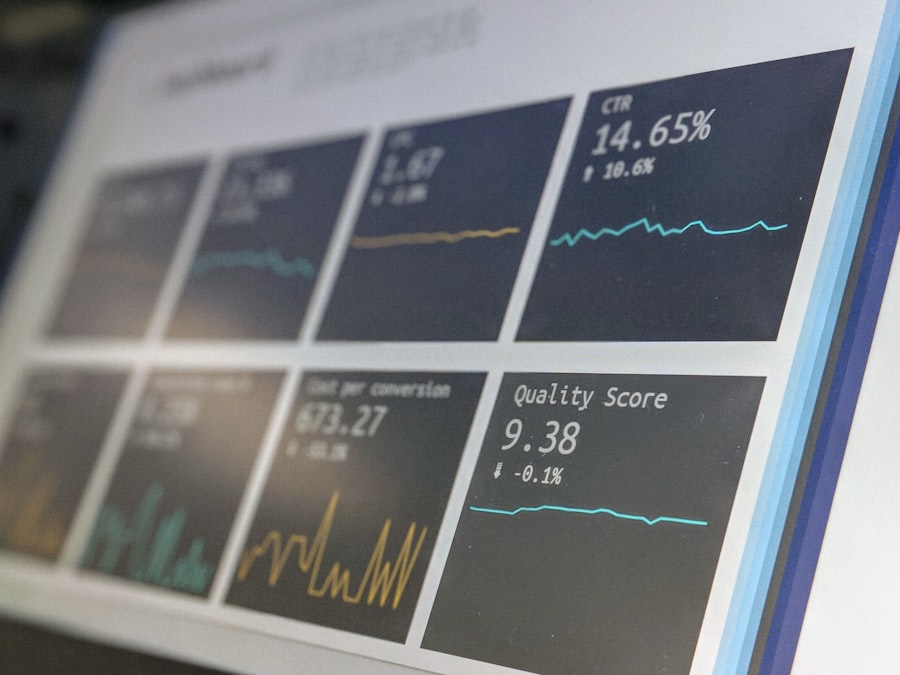
A look at the kind of ml model deployment surface we hand over — real screens, real data, documented and yours from day one.
One paragraph. That’s it.
Tell us your current model surface, your inference latency target, your eval status, and the regulatory environment you ship into. Mohit reads every first email and replies inside 24 hours: a clear yes, a clear no, or the one question that decides it.
What happens after the email lands
- < 24h
A personal reply.
Yes, no, or the deciding question. Straight to your inbox, not a team thread.
- Week 1
The 5-day audit.
We read your estate, map the inference and eval gaps, hand you a brief and a fixed quote.
- Wk 14
Inference your team owns.
Serving, evals, canary, drift, audit log, and the handover your CFO and regulator both read cold.