The native iOS and Android teams cost £420K a year extra. Then iOS 18 shipped and the new architecture broke. A Reanimated 3 worklet crashed on the UI thread on every cold start.
Service React Native development · Hermes + new architecture · UK
React Native development for the React team shipping. mobile next.
React Native apps for UK SaaS, fintech, and brands with React web teams — passing App Store review on submission one, smooth on the iPhone SE 2020, with your web engineers contributing. 14 apps shipped on Hermes, Fabric, and Reanimated 3 since 2019.
14React Native apps shipped since 2019
96%App Store first-pass rate
8-14wktypical sprint
(Why CTOs sign)
You don’t need another React Native team. You need engineers who’ve shipped 14 apps and watched what breaks at scale.
Your web React engineers already know the patterns. We bring the Hermes, Fabric, and Reanimated 3 discipline that keeps the new architecture from breaking the day iOS 18 lands.
0
<1.5s
0
The CTO this page is forcrash-free 99.6% 87% · overnight
Eleanor had eight React web engineers. None of them touched mobile.
Crash-free rate dropped from 99.6% to 87% overnight. The Detox tests all passed, because the worklet code path wasn’t covered. The CEO asked the obvious question: “Why are we shipping mobile builds without testing on the new iOS the day it lands?”
We migrated to React Native over twelve weeks. Same TypeScript patterns, same auth library, same testing. Web engineers contribute to mobile now. The native team dropped from four to one, saving £320K a year. This page is for CTOs who recognise themselves in that paragraph.
React Native build, day one to store
How a build actually ships
Every React Native app we ship runs the same renderer of decisions, day one to App Store. Each step is hard to retrofit, so we write it into an ADR your next engineer can read.
Step-01
Hermes-only, JSC removed
Hermes on iOS and Android, JSC paths stripped. Bundle audited so cold start stays under 1.5s on the iPhone SE 2020.
Step-02
New architecture, staged
Fabric and TurboModules adopted module by module, tested at each step. Mixed-mode crashes end before they ship.
Step-03
Reanimated 3 worklet safety
Worklet linting plus Reanimated tests catch UI-thread errors at PR. 60fps measured on real devices, not just an M3.
Step-04
Expo prebuild + EAS Build
Prebuild for native modules, a custom dev client baked, EAS Build for store binaries. Bare only when a module demands it.
Step-05
OTA via EAS Updates
Canary at 10%, auto-rollback on a crash-rate spike. JS fixes ship over the air without a 48-hour store queue.
Step-06
Detox + Maestro in CI
Maestro for read-heavy paths, Detox for stateful flows, testID selectors. Flakiness drops under 2% so the team trusts green.
The stack we ship every React Native build on.
React Native 0.75 on Hermes with the new architecture handles 99% of the behaviour we need on day one. Native modules join only when a brief earns them.
T1
What every React Native build runs on
RN + ExpoReact Native 0.75+Expo SDK 51+TypeScriptHermesReanimated 3React Navigation 7MMKV + WatermelonDBTanstack Query + ZustandEAS Build + UpdatesDetox + MaestroSentry RNMixpanel
T2
When your React Native brief calls for it
reach when neededPythonJavaGoGraphQLtRPCDrizzle / Prisma
T3
The infrastructure layer
AWS-defaultAWSCloudFrontAWS LambdaS3 + CloudFrontAWS RDS / AuroraMongoDB AtlasRedisInngest / Trigger.devTerraformDatadog + SentryGitHub ActionsCrashlytics
React Native foundations.
Day one, not month ten.
Every React Native app we’ve shipped since 2019 makes the same six load-bearing decisions before a feature gets written. Each one is hard to retrofit. Open any row.
Hermes on iOS and Android, with the JSC code paths stripped out so they can’t go stale. We audit the bundle and hold cold start under 1.5s on the iPhone SE 2020, measured on device.
Fabric and TurboModules adopted module by module, tested at each step. Mixed-mode crashes end before they reach a customer, and the app is future-proof from week one.
Worklets caught by linting and covered by Reanimated tests, so UI-thread errors are caught at PR, not at 2am on a new iOS. 60fps measured on real floor devices, not just an M3.
Expo with prebuild and a custom dev client about 80% of the time, because EAS Build and EAS Updates earn their keep. Bare workflow only when a native module the SDK can’t reach demands it. The decision lives in the ADR.
EAS Updates with a canary at 10% and auto-rollback on a crash-rate spike. JS fixes ship over the air without a 48-hour store queue, and customers don’t hit the bug before we do.
Sentry RN and Crashlytics wired before the first feature, plus Mixpanel on the funnel. Detox and Maestro gate every PR with testID selectors, so CI flakiness stays under 2% and on-call knows what broke in 60 seconds.
React Native work we do
What we work on
The React Native surfaces we ship for UK SaaS, fintech, and brands with React web teams.
96%
App Store first-pass rate
14+
RN apps shipped since 2019
“Crash-free went from 96.2% to 99.7% and the native team dropped from four to one. Best engagement we’ve paid for.”
001
Full build sprints
10 to 16 weeks of fixed-scope shipping. RN 0.75 on Hermes, new architecture, Expo, EAS Build, Sentry. Two seniors paired.
002
New architecture migrations
Legacy RN to Hermes, Fabric, and TurboModules. Behind-flag cutover, crash-free and cold-start targets locked before launch.
003
Native bridges
BLE, biometrics, payment SDKs, and camera stay native. We bridge via TurboModules so we’re not fighting the platform.
004
OTA + release engineering
EAS Updates with staged rollout and canary, auto-rollback on a crash spike. Plus the App Store Connect handover pack.
005
Performance rescues
Bundle audits, worklet crash hunts, cold-start fixes. We cut the weight and gate it in CI so it stays cut.
Results
RN 0.65 to 0.75,
RN 0.65 to 0.75,
new architecture rebuild, in numbers
A UK B2B SaaS with 1,800 customers. We upgraded a three-year-old RN 0.65 app to 0.75 with Hermes, Fabric, TurboModules, Reanimated 3, and EAS Build over fourteen weeks. OTA via EAS Updates with staged rollout.
Stability
96.2%99.7%
Crash-free rate
96%
App Store first-pass rate
Performance
3.1s1.2s
Cold start, after rebuild
−61%
Cold-start reduction
Track record
14
RN apps since 2019
99.95%
Uptime SLO held
What CTOs say after we ship
Real lines from UK teams whose React Native apps we built or rebuilt.
100%
would refer us
Crash-free went from 96.2% to 99.7% and cold start dropped to 1.2s. Our review-week panic is gone.
What CTOs actually ask before signing
Pain-first, soft-second.
We default to the patterns the React Native development community has settled on for production: Hermes-only, the new architecture adopted where stable, Reanimated 3 with worklet safety, EAS Build for store binaries, and observability from day one. If you have a strong reason to deviate, we’ll discuss it in the audit week and write the call into an ADR.
Expo with prebuild and a custom dev client about 80% of the time, because EAS Build and EAS Updates carry their weight. Bare workflow only when a native module the SDK can’t reach demands it. The decision lives in the ADR so your next engineer reads it and understands why.
Yes, that’s the point. Same TypeScript, same Tanstack Query, same Zustand patterns, same testing discipline. Eleanor’s eight web engineers now ship mobile, and her native headcount dropped from four to one. The React Native layer is where your existing team already has fluency.
Yes. We’ve done it for UK clients in 2025. Your existing backend (Rails, Django, .NET, Java, Go) stays. We build the React Native app development layer with typed contracts. You get senior-grade React Native without rebuilding your backend.
30-day walk-away both ways. Milestone billing 25/25/25/25. UK VAT registered, listed on Companies House, shipping since 2019. You’re never more than four weeks at risk of paying for nothing.
Every React Native project has two senior engineers paired, not one. Every decision goes into an ADR the same day. Mohit reviews every PR. Two handovers in seven years, both inside 48 hours, neither client noticed.
96% of our submissions pass on the first attempt. We pre-flight against the common rejection reasons (privacy strings, account deletion, sign-in options, screenshot accuracy) before we submit, and we keep the App Store Connect handover pack ready so your team can re-submit without us.
Yes, with 14 days’ notice. Engineers move to other projects, spend pauses, and you resume with 14 days’ notice. No cancellation fee, no restart fee.
In context
The surface you hand over.
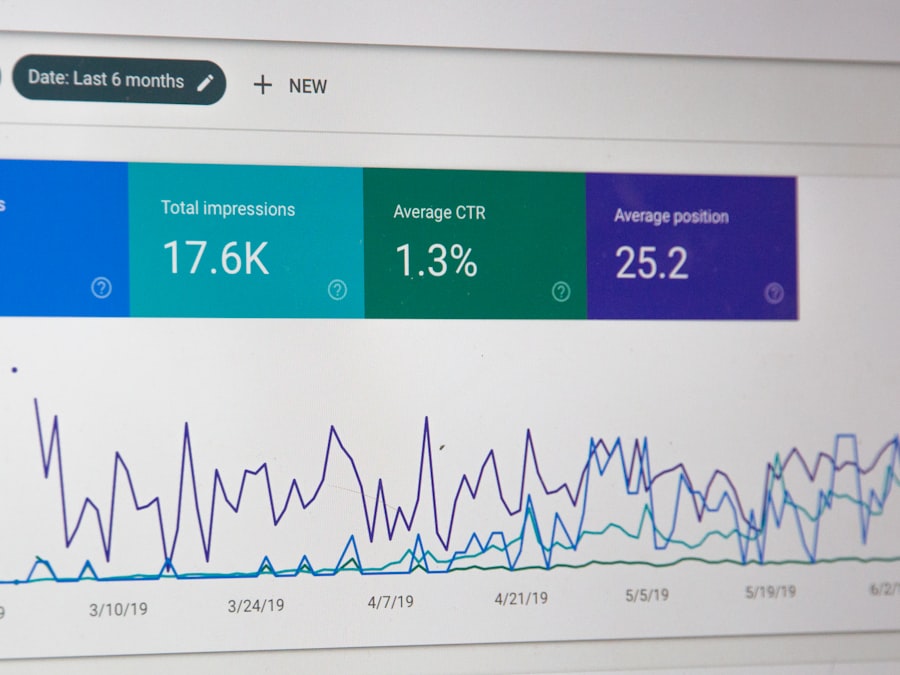
react native development, in context — the dashboards, flows and components your team actually ships, reviews and maintains.
One paragraph. That’s it.
Tell us what the app does, who uses it, and whether your React web team will help maintain it. Mohit replies inside 24 hours: a clear yes, a clear no, or the one question that decides it.
What happens after the email lands
- < 24h
A personal reply.
Yes, no, or the deciding question. Straight to your inbox.
- Week 1
Audit week begins.
Architecture, Hermes plan, OTA strategy, signed scope.
- Launch
Passes review on submission one.
Cold start under 1.5s on the iPhone SE 2020. Capacity number in the runbook.