Next.js, React, Node.js, Python and Django. The web spine your next engineer inherits without apology. See the full product engineering services.
Service Technology services · MERN + AWS-default, multi-cloud comfortable
Technology services, eleven stacks, one. studio that ships.
You don’t need a studio loud about one framework. You need one that ships eleven well and picks the right one for your team, not the trendy one. Senior-only by policy, fixed-price by scope.
11tech stacks shipped to production since 2019
200+engagements personally signed off
96%engineer retention, seven years running
Why CTOs sign with us across stacks
You don’t need a studio loud about one framework. You need one that ships eleven of them well.
We pick the right stack for your team and your product, not the trendy one. MERN by default, AWS by default, multi-cloud comfortable. Boring on purpose, hireable forever, with zero engagements derailed by a renderer choice or a framework migration drama.
“They picked the stack our last agency was too proud to recommend. Two years on, we still hire against it without trouble.”
001
11
Production stacks shipped since 2019, web, mobile, back-end and payments.
002
200+
Engagements personally signed off since 2019, FTSE-100 to pre-seed.
003
96%
Engineer retention, seven years running, so the seniors who sign stay.
Where each stack fits.
And where to go next.
The eleven stacks group into four clusters we ship on every week. Open any row to see what sits inside it and where to read more on the services hub.
Flutter first, React Native when your web team will maintain it. One codebase, both stores, performance floor on real phones. Read Flutter development or React Native development.
Firebase, Supabase and Stripe. Real-time data, tenant-isolated Postgres, and billing that reconciles. Read Firebase, Supabase, or Stripe integration.
UX and UI design with tokens, Storybook and WCAG 2.2 AA accessibility baked in. It ships as code, wired into whichever web stack carries it. Read UX + UI design.
The pain. The day-1 answer.
Every CTO arrives with the same scars from the last agency. Here’s what we hear in week one, and what we put in writing before you sign.
- 01
“The last shop pushed the trendy framework, now we can’t hire to maintain it.”
We pick the right stack for your team, not the loud one. MERN and AWS by default, multi-cloud when your estate calls for it, with the trade-offs written into the architecture brief.
- 02
“We were sold seniors and got juniors reading the docs on our budget.”
The seniors who sign your scope are the seniors who ship it. No bench, no bait-and-switch, 96% engineer retention seven years running, and their commit history on request before you sign.
- 03
“We were quoted £35K and £180K for the same build. Which is real?”
The audit is fixed at £8K and takes 5 days. The build is line-itemed into a scope you can cut from, quoted against real architecture, not a salesperson’s mood.
- 04
“If your one engineer quits mid-build, do we lose everything?”
Every project pairs two seniors and every decision lands in an ADR the same day. Two engineers have left mid-project in seven years, both handovers inside 48 hours, neither client noticed.
- 05
“Will we be locked into £5K a month forever, or can we walk away?”
You walk away cleanly. Your code lives in your GitHub org from commit one, IP assigns on commit, and the advisory retainer cancels with 30 days’ notice, any month.
PICK YOUR STACK · TAP TO READ THE PAGE
Eleven stacks. Senior engineers on every commit.
Each card carries the version and the senior discipline we ship it with. Where the full page is live, the card links straight to it. Tap yours and read how we build on it, not how we market it.
Next.js Development
Senior Next.js 15 with RSC and the App Router. Edge-rendered, typed end to end, fast on real hardware.
React Development
Senior React 19 with Concurrent, Vite and Remix. Component systems your next hire reads on day one.
UX + UI Design
Tokens Studio, Storybook and WCAG 2.2 AA. Design that ships as code, not a hand-off PDF.
Node.js Development
Senior Node 22 with Fastify, Prisma and BullMQ. The MERN back-end your enterprise buyer trusts.
Python Development
Senior FastAPI with Pydantic v2 and Celery. Data, ML and back-office where the brief calls for it.
Django Development
Senior Django 5 with DRF and async views. Batteries-included, audit-ready, admin your ops team loves.
Flutter Development
Senior Flutter 3 with Riverpod and Codemagic. One codebase, both stores, our default mobile pick.
React Native Development
Senior RN 0.75+ with Hermes and EAS Build. When your React web team will own the mobile app too.
Firebase Development
Senior Firebase Gen 2 with Firestore rules tested. Real-time and serverless, without the foot-guns.
Supabase Development
Senior Supabase with RLS, pgTAP and Edge Functions. Postgres-native, tenant-isolated from day one.
Stripe Integration
Senior Stripe with Connect, Tax and idempotency. Billing your finance team reconciles against the bank.
The receipts that survive Series B diligence
Your acquirer’s CTO doesn’t want our adjectives. They want production numbers they can verify, no matter which stack you sit on. Here are the ones that come up in every diligence call.
£540M+
Cumulative GMV through code
They picked the stack our last agency was too proud to recommend. Two years on, we still hire against it without trouble.
Three tiers, twenty-two technologies, one defensible spine.
Two hundred-plus engagements have stress-tested these picks. Tier 1 runs most builds. Tier 2 is what we reach for when the brief needs it. Tier 3 scales it to Series B without a rebuild.
T1
What we build on by default
MERN + FlutterMongoDBExpress.jsReact + Next.jsNode.jsTypeScriptFlutterPostgreSQLSupabaseFirebaseStripeTailwindPlaywright
T2
When your brief actually calls for it
reach when neededPythonDjangoJavaReact NativeSwift / SwiftUIKotlinGo
T3
The infrastructure that scales it
AWS + cloud-nativeAWSKubernetes (EKS)DockerAWS LambdaAWS RDS / AuroraS3 + CloudFrontRedisApache KafkaGraphQLTerraformDatadog + SentryMicroservices
Diligence-ready, every stack
Eleven stacks,
Eleven stacks,
one set of receipts, verified in 2025
The numbers a CFO, a VC, and an acquirer ask about, measured on production code we wrote. Not projections. Not adjectives. The figures your diligence team can check against the logs.
Scale
£540M+
GMV through our code
320M+
API calls a year, 2025
Trust
0
Breaches in seven years
SOC 2
Type II achieved Dec 2025
Outcomes
12
Founders raised Series B
96%
Engineer retention
Senior development studio London · MERN + AWS software studio
Four things a single-framework shop can’t hand you
This is what eleven production stacks have hammered into the studio. Not a brochure. The reasons CTOs trust us with the build no matter which stack the brief lands on.
Stack choice(01)
The right stack, not the trendy one
We pick the stack for your team and your product. MERN and AWS by default, multi-cloud when your estate calls for it. The wrong pick gets you deleted by your next hire. We don’t make it.
MERNAWS-defaultMulti-cloudHireable
The right stack, not the trendy one
Seniority(02)
Senior engineers on every commit
No bench, no bait-and-switch. The seniors who sign your scope are the seniors who ship and maintain it. 96% engineer retention, seven years running.
No benchNamed seniors96% retention
Senior engineers on every commit
Stability(03)
No migration drama between stacks
Zero engagements derailed by a renderer choice or a framework switch. We ship boring on purpose, so your codebase stays hireable and your roadmap stays funded.
Clean boundariesADRsNo rebuilds
No migration drama between stacks
Access(04)
A real reply in 24 hours
Mohit reads every brief personally. A real reply, not a calendar link, inside one working day. London time, every time.
Founder-read24h replyLondon time
A real reply in 24 hours
What CTOs actually ask before signing the contract
Pain-first, soft-second. The questions every CTO asks after their third bad agency experience.
Because we don’t spread one person across eleven stacks. We staff your project with seniors who’ve shipped your stack in production, not generalists reading the docs on your budget. Across our technology services we’ve put eleven stacks into production since 2019, and the engineer who signs your scope is the one who writes the code. Ask for their commit history on a recent project in your stack and we’ll send it before you sign.
We don’t price by salesperson mood. The audit is fixed at £8K and takes 5 days. After that, every build is line-itemed into the scope document and you can cut any piece. The audit plus sprint is quoted at the end of the audit week against real scope, not a guess. If we can’t hit your budget, we tell you in week one and you walk away with the audit brief, no commitment.
Three ways. One, the engineers on your project are named and on every Slack you join. Two, the audit week is run by those same engineers, not a bench team you never meet. Three, every senior on our team has shipped at least twelve production projects across SaaS, fintech, healthcare, or AI. No juniors, no bench, no bait-and-switch. Our technology services run on 96% engineer retention, seven years running.
No, and that’s the point of picking the right stack. We default to MERN, MongoDB, Express, React with Next.js, Node, on AWS, the biggest hiring pool in the UK and globally. London alone has 14,000+ Node engineers on LinkedIn. Any senior full-stack developer your future CTO interviews will be fluent in your stack on day one. Boring on purpose, hireable on purpose.
It almost never happens, because we pick stacks investors already trust. When it does, the architecture brief and ADRs we ship make the conversation short. We’ve had zero engagements derailed by a renderer choice or a framework migration drama, because the boundaries between your business logic and your framework are clean from day one. If a switch is genuinely needed, it’s a scoped project, not a rebuild.
Every project pairs two seniors, not one. Every decision is written into an ADR the same day, and every commit goes through Mohit’s review. If one engineer leaves, the other has full context the next morning. In seven years two engineers have left mid-project, both handovers inside 48 hours, neither client noticed in their sprint.
Region-pinned storage with a residency map you can hand a regulator. UK data stays UK, EU data stays EU, with SCCs documented for any cross-border flow. Right-to-erasure is enforced at the schema, so a DSAR is a 30-day defendable export, not a developer’s weekend. Signed DPA and a versioned sub-processor list ship with the build, whichever stack carries it.
You walk away cleanly. Your code lives in your GitHub org from commit one, IP assigns on commit, and the handover pack includes the architecture brief, ADRs, runbook, and DPA. The £5K/month advisory retainer is optional and cancellable with 30 days’ notice, any month. Most clients run it for the first six to nine months while their in-house lead settles in, then end it without ceremony. No lock-in, no surprise renewals.
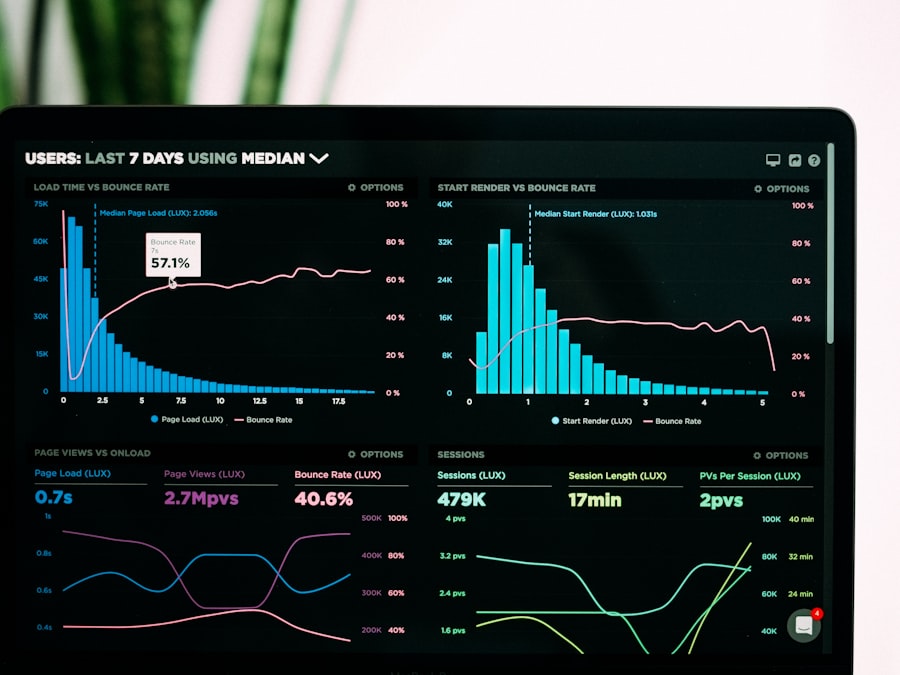
In context
The surface you hand over.
technology services, in context — the dashboards, flows and components your team actually ships, reviews and maintains.
One paragraph. That’s it.
Tell us your target stack, your current estate, and your deadline. Mohit reads every first email and replies inside 24 hours: a clear yes, a clear no, or the one question that decides it, with the next audit slot.
What happens after the email lands
- < 24h
A personal reply.
Yes, no, or the deciding question. Straight to your inbox, not a team thread.
- Week 1
Audit week begins.
We pick the right stack, write the trade-offs, and hand you a signed scope.
- Handover
Diligence-ready build.
Shipped on the stack we agreed, with the brief your acquirer’s CTO reads cold.