The Pandas script took 14 minutes to run on a good day. Then pandas blew through Lambda’s 10GB memory cap. The job died silently. The dashboard showed last week’s numbers for three days before anyone noticed.
Service Python development · Python + FastAPI + AWS · UK
Python development for the data, ML and backend that has to ship.
Python development services for UK SaaS, fintech, data, and ML teams. We build FastAPI services, Django apps, and ML pipelines that run in production on AWS. Senior-only, typed end to end, observability built in. 54 Python services shipped since 2019.
54Python services since 2019
300msP95 API latency
99.95%uptime SLO held
Why CTOs sign
You don’t need another Python team. You need engineers who’ve shipped 54 Python services and watched what breaks at scale.
Senior Python is rare. The four engineers who sign your scope are the four who ship it. Typed end to end, observable, load-tested before it touches your customers.
“P99 dropped from 1.4s to 180ms. The bill cut a third. Best engagement we’ve paid for.”
001
54
Python + FastAPI services shipped to production since 2019
002
<300ms
P95 API latency, measured on real traffic
003
0
Friday-night outages across our 2025 deploys
The CTO this page is for14 min run · 4GB CSV · silent death
Marcus had a Python pipeline duct-taped with Flask and cron. Then the analyst loaded the 4GB CSV.
The CEO asked the obvious question: “Why is the Python pipeline failing at exactly the scale we hired Python engineers to handle?” Nobody on the team had a good answer, because the architecture was built for the demo, not the data.
We rebuilt it on FastAPI + Pydantic + Airflow + AWS Lambda over eight weeks. The pipeline dropped from 14 minutes to 90 seconds. The analyst queried results live instead of waiting overnight. This page is for CTOs who recognise themselves in that paragraph.
UK Python + FastAPI studio · senior-only
Four things in-house teams and offshore shops can’t hand you
This is what 54 Python builds have hammered into the studio. Not a brochure. The reasons CTOs sign a second contract.
FastAPI + Pydantic, typed end to end
Async by default. OpenAPI auto-generated and diff-gated in CI. Performance comparable to Node without giving up Python.
SQLAlchemy + Alembic discipline
Migrations versioned and reversible. Async sessions tuned. N+1 caught at the query log and fixed at the relationship.
Data and ML when it’s warranted
pandas, Polars, PyTorch, MLflow. We ship inference services when the brief needs them, not when they’re trendy.
30-day walk-away both ways
You keep everything. IP assigns on commit. No juniors, no lock-in, and a real reply from Mohit inside 24 hours.
The Python pain. The day-1 answer.
Each one is a single architectural decision made on day one of our build.
- 01
“The async event loop is blocked by a sync database driver. Throughput is stuck.”
asyncpg + SQLAlchemy 2 async sessions. Sync DB calls caught at the linter. Throughput climbs to expected. Async actually means async.
- 02
“uv vs poetry vs pip, and requirements.txt sprawl. Reproducible builds are broken.”
uv-managed lockfile + dockerised build. Locked dependencies, multi-stage Docker. Reproducible from a clean clone in under 90 seconds. Package hell ends.
- 03
“A FastAPI endpoint takes a dict. The response shape drifts. The frontend breaks silently.”
Pydantic v2 everywhere + OpenAPI gate. Models on input and output. The spec is diff-gated in CI. The frontend SDK regenerates on schema change. Drift caught at PR.
- 04
“Loading the CSV blew 4GB. Lambda cold-OOM’d. The job failed silently.”
Polars lazy frames + streaming reads. A memory profile baseline. Lambda cost down 60-80%. Jobs stop failing silently.
- 05
“The model in staging isn’t the model in prod. Reproducibility is gone.”
MLflow registry + signed artefacts. Staging and prod versions tracked. Canary rollout at 10% traffic. Drift caught before customers see it.
- 06
“The job ran. The result vanished. A customer asked, and we have no audit log.”
Idempotent jobs + DLQ + audit log. Idempotency keys at the job boundary. Dead-letter queue audited. Flower and structured logs. Silent failures end.
- 07
“Half the team is on 3.9, half on 3.12. Type hints break. CI is flaky.”
One version, one lockfile, one Docker. Python 3.12 standardised. CI runs the prod image. Version drift becomes architecturally impossible.
- 08
“The first request after five minutes idle takes 4.2s. The customer assumes the app broke.”
Provisioned concurrency + ARM + slim deps. Graviton, slim Docker image, provisioned concurrency for hot paths. Cold start under 800ms. The customer never notices.
The stack we ship every Python build on.
Typed end to end, async-first, observable from day one. The Python + FastAPI core handles 99% of the behaviour we need on day one.
T1
What every Python build runs on
Python + FastAPIPython 3.12FastAPIPydantic v2SQLAlchemy 2 + AlembicCelery + RedisPostgreSQLPolars + pandasPyTorch + MLflowpytest + Ruff + mypyOpenTelemetrySentryuv + poetry
T2
When your Python brief calls for it
reach when neededDjangoJavaGoGraphQLgRPCApache Airflow
T3
The infrastructure layer
AWS-defaultAWSAWS LambdaDockerS3 + CloudFrontAWS RDS / AuroraRedisApache KafkaKubernetes (EKS)TerraformDatadog + SentryGitHub ActionsPinecone
What the rebuild actually did
Real Python numbers from real production builds, and the CTOs who signed off on them.
90s
Pipeline run time, down
The analyst self-served live instead of waiting overnight. The pipeline just stopped failing silently.
Results
Flask to FastAPI,
Flask to FastAPI,
in real numbers
For a UK B2B SaaS with 1,800 customers, we rebuilt a Flask + sync-SQLAlchemy data platform on FastAPI + asyncpg + Polars + AWS Lambda. Sixteen-week sprint. The pipeline dropped from 14 minutes to 90 seconds. The analyst self-served instead of waiting overnight.
The rebuild
14min90s
Pipeline run time
−91%
Memory footprint, 4.2GB380MB
Latency
1.4s180ms
P99, after rebuild
<300ms
P95 API latency
Track record
54
Python services since 2019
99.95%
Uptime SLO held
Three ways to start. Pricing in the email back.
Pick the shape that fits and Mohit will send your real number inside 24 hours.
Python + FastAPI audit week
5 days, £8K fixed. We audit your existing app or a new brief: architecture, performance, scale, hire path.
- 5-day senior audit
- Render-boundary map + ADRs
- Signed scope, line-item GBP
- No commitment to build
Full Python build sprint
8 to 14 weeks of fixed-scope shipping. FastAPI + Pydantic v2 + asyncpg + Celery + Datadog. Async end to end, observable, load-tested.
- FastAPI + Pydantic + asyncpg
- Two senior engineers paired
- 30-day walk-away both ways
- IP assigns on every commit
Python migration / rebuild
8 to 12 weeks. Take your existing Python codebase and rebuild it for production. Behind-flag cutover, cost and P99 targets locked in scope.
- Flask / sync FastAPI async
- Celery / RQ + DLQ + Flower
- Behind-flag rollout
- P99 + cost targets locked
“P99 dropped from 1.4s to 180ms. The bill cut a third. Best engagement we’ve paid for.”
— Eleanor B., CTO, UK B2B SaaSWhat CTOs actually ask before signing
Pain-first, soft-second.
We default to the patterns the Python community has settled on for production: typed end to end, observability from day one, idempotent writes, eval-gated CI. FastAPI + Pydantic v2 + asyncpg is the spine of most Python development work we ship. If you have a strong reason to deviate, we’ll discuss it in the audit week.
Stay where you are if it’s working. We’ll tune the costs. Move to AWS only when the bill or compliance warrants it. We’re comfortable on AWS, GCP, Azure, Cloudflare, DigitalOcean, Vercel, and Fly.io.
Yes, and we’ve done it for UK clients in 2025. Your existing backend (Rails, Django, .NET, Java, Go) stays. We build the Python + FastAPI layer with typed contracts. You get senior-grade Python development without rebuilding your backend.
30-day walk-away both ways. Milestone billing 25/25/25/25. UK VAT registered, listed on Companies House, shipping since 2019. You’re never more than four weeks at risk of paying for nothing.
Every Python project has two senior engineers paired, not one. Every decision goes into an ADR the same day. Mohit reviews every PR. In seven years, two engineers have left mid-project. Both handovers were inside 48 hours, and neither client noticed.
Yes. Python is one of the largest hiring markets in 2026, and FastAPI is the framework most senior Python engineers want to work in. We build with the conventions the next hire already knows. Your senior interview opens the repo and stays.
Yes, with 14 days’ notice. Engineers move to other projects. Spend pauses. Resume with 14 days’ notice. No cancellation fee. No restart fee.
NDA signed inside 30 minutes via DocuSign. Mutual NDA template ready. Then send a 5-line brief and Mohit replies inside 24 hours.
In context
See it in context.
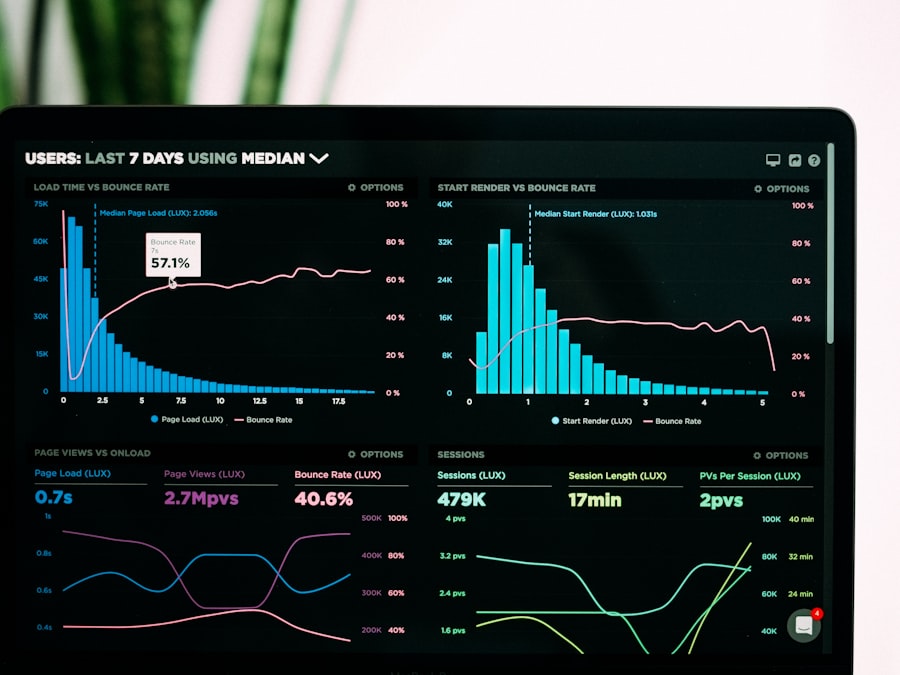
A look at the kind of python development surface we hand over — real screens, real data, documented and yours from day one.
One paragraph. That’s it.
Tell us what the build does, who uses it, and what success looks like. Mohit replies inside 24 hours: a clear yes, a clear no, or the one question that decides it.
What happens after the email lands
- < 24h
A personal reply.
Yes, no, or the deciding question. Straight to your inbox.
- Week 1
Audit week begins.
Architecture, async strategy, observability plan, signed scope.
- Launch
Holds on Tuesday.
Typed end to end, load-tested, P95 under 300ms in the runbook.